NHC MOTORS / Guides / Car maintenance
NHC MOTORS · MAINTENANCE GUIDE
Regular maintenance to keep your car in good condition
Regular maintenance protects lubrication, cooling and braking performance while your car is in good condition. We look for deterioration before it can contribute to component damage, then use the products and procedures that suit the vehicle. NHC reviews previous service records alongside current findings to explain what needs work now and what to check again later.
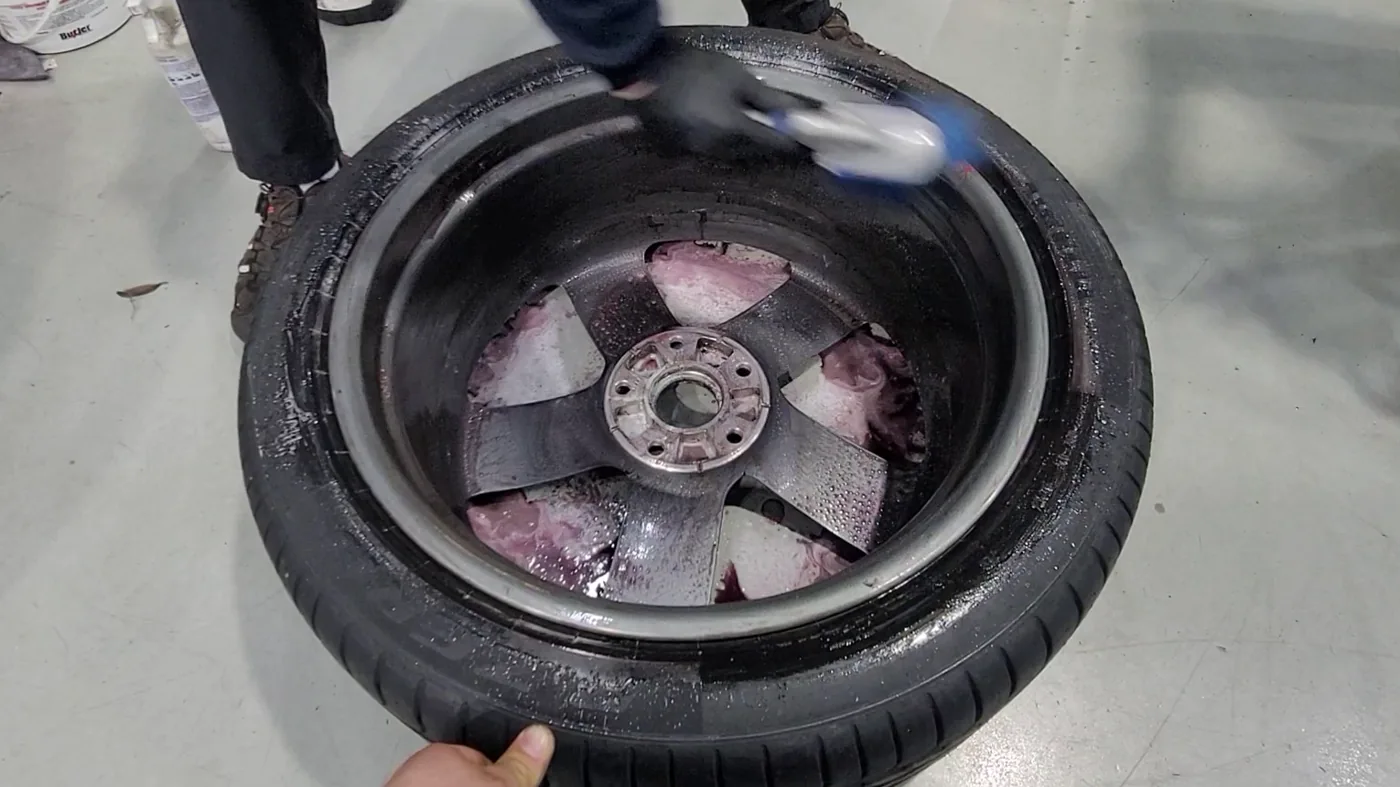
Where should you start with your car?
| What you want to preserve | Ride quality and the lubrication, cooling and braking functions |
|---|---|
| Where decisions start | Manufacturer guidance, service history, operating conditions and current findings |
| What the work includes | Suitable products and specifications, the required procedure and checks after assembly |
| What to bring to the consultation | Model, year, mileage, recent service records and any changes you have noticed |
In this guide
01
What timely maintenance can help preserve
Continuing to drive with weakened lubrication or a cooling problem can place related components under additional stress. Regular maintenance looks for these changes and addresses them when needed. Fresh oil cannot restore a component that is already worn or damaged; noise, leaks or an overheating history call for diagnosis alongside routine care.
This is useful for new cars intended for long-term ownership, used cars with uncertain records, low-mileage collection cars and vehicles already serviced regularly. We work on imports such as BMW and Mercedes-Benz and Korean cars, following the requirements of each model.
- 01Review the service history
- 02Check for deterioration
- 03Maintain the current condition
02
What do we check in each system?
Two cars with the same mileage can have different operating conditions and service histories. We start with the manufacturer’s maintenance schedule and specifications, then consider history, use and current findings. These are the points we review when agreeing the required work.
G500: fluid and filter care after purchase →
GT3: annual oil and condition checks despite low mileage →
| System and purpose | What we check | Basis for the decision | Action and further reading |
|---|---|---|---|
| Engine oilLubrication and engine protection | Applicable specification, change history, operating conditions, leaks, oil level and condition. | Manufacturer guidance, elapsed time and use are considered together. Colour alone does not determine the need for a change. | Use the specified oil and suitable filter, then check level, fastening and leaks. |
| Transmission oilShift operation and internal protection | Transmission specification, change history, leaks, fluid condition and reported shift problems. | Compare the model-specific checking and replacement procedure with current findings. Investigate shift problems before deciding on the response. | Use the appropriate replacement method, then check the level and operation according to the model’s procedure. |
| Differential oilDriveline lubrication and wear management | Specified oil, change history, leaks, drained oil condition and noise while driving. | Consider the manufacturer’s specification and operating conditions. Noise or metal debris requires a separate assessment of possible internal damage. | Change the oil using the method suited to the unit; check fastening and leaks. Existing noise is addressed according to the diagnosis. |
| Engine coolingHeat management and overheating prevention | Coolant specification, level and condition, leak traces, hoses, reservoir and other related components, overheating history. | Use model-specific coolant requirements and findings to decide whether replacement, cleaning or component work is needed. | Carry out the required work and check level, leaks and operation according to the prescribed procedure. |
| Brake fluid and discsBraking function and stability | Fluid history and condition, pad wear, disc thickness and damage, hub contact faces. | Use model-specific guidance for fluid, and disc material, minimum permitted thickness and damage for disc work. | Carry out required fluid, pad or disc work. Disc work includes contact-face cleaning, specified fastening and an operation check. |
| Tyres, wheels and suspensionManaging vibration, pull and uneven wear | Tyre wear, damage and pressure, wheel condition, balance, alignment, suspension play, damage and fastening. | Unloaded balancing measures mass imbalance; road force measures force variation under load (RFV). Lateral force related to pull and wheel alignment are assessed separately. | Findings determine tyre-to-wheel matching, balance or alignment adjustment, or suspension work, followed by a further check. |
| Battery and electricalReliable starting and electrical operation | Battery type, rating, temperature and charge, starting and charging systems, repeated discharge history. | Read current test results alongside operating conditions. A discharge alone does not decide replacement. | Distinguish recharge and retest, replacement, and discharge-cause checks. For replacement, confirm specification and model-specific registration or learning. |
| Air conditioningCabin cooling and compressor care | Labelled refrigerant type and charge, compressor oil requirements, leaks, sound and operation. | Compare the vehicle’s refrigerant and compressor oil requirements with findings to decide the work needed. | Address the confirmed cause using the specified procedure, then check cooling, sound and operation. |
Engine coolant manages engine heat; air-conditioning refrigerant is used for cabin cooling. Their specifications and service procedures are separate. Evans conversion, flushing and additives are considered when appropriate to the vehicle’s condition and application.
03
Compare products, procedures and finishing checks
An estimate is easier to compare when you know what it includes. Oil changes or tyre replacements may differ in product specification, inspection scope and checks after the work. Price alone does not establish workmanship quality.
- 01Suitable products
- 02Model-specific procedures
- 03Checks after assembly
Confirm the required approvals and component application, as well as the brand.
We explain the filters, sealing parts, contact-face cleaning and related checks included where needed.
Complete the required fastening, level, leak and operation checks, then explain remaining concerns and the next inspection.
04
How NHC carries out the work
- 01Review history and condition
- 02Agree scope, then service
- 03Explain results and next steps
We begin with service records and changes you have noticed. The required inspection helps distinguish work needed now from items to monitor. Products, work scope and the estimate are explained before the agreed work proceeds.
Afterwards, we check assembly and the relevant fluid levels, leaks and operation. Road-test scope is agreed in advance. If you prefer to avoid adding mileage to a collection car, we explain what was checked stationary and what still needs a driving assessment.
05
A real record of long-term care
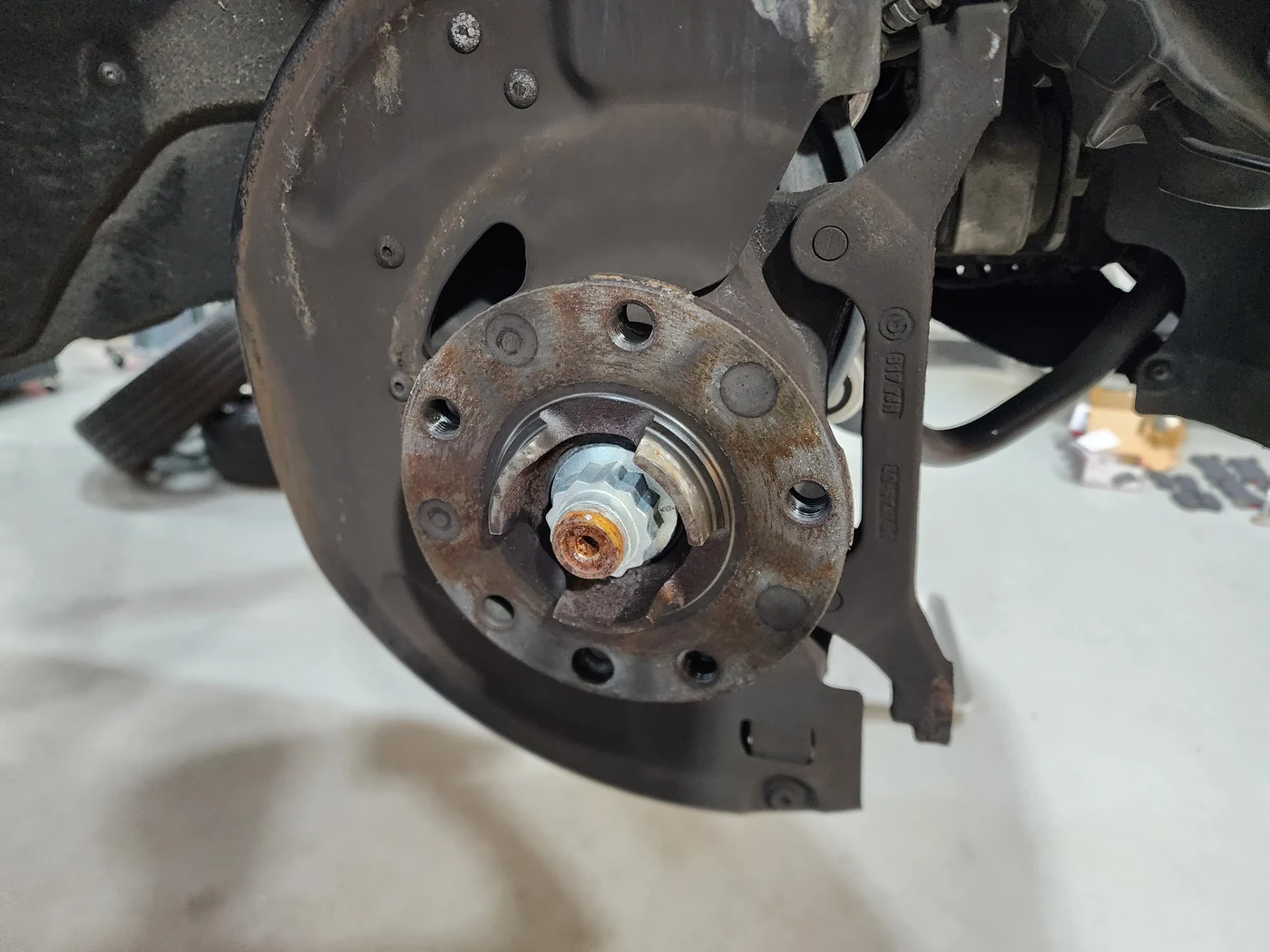
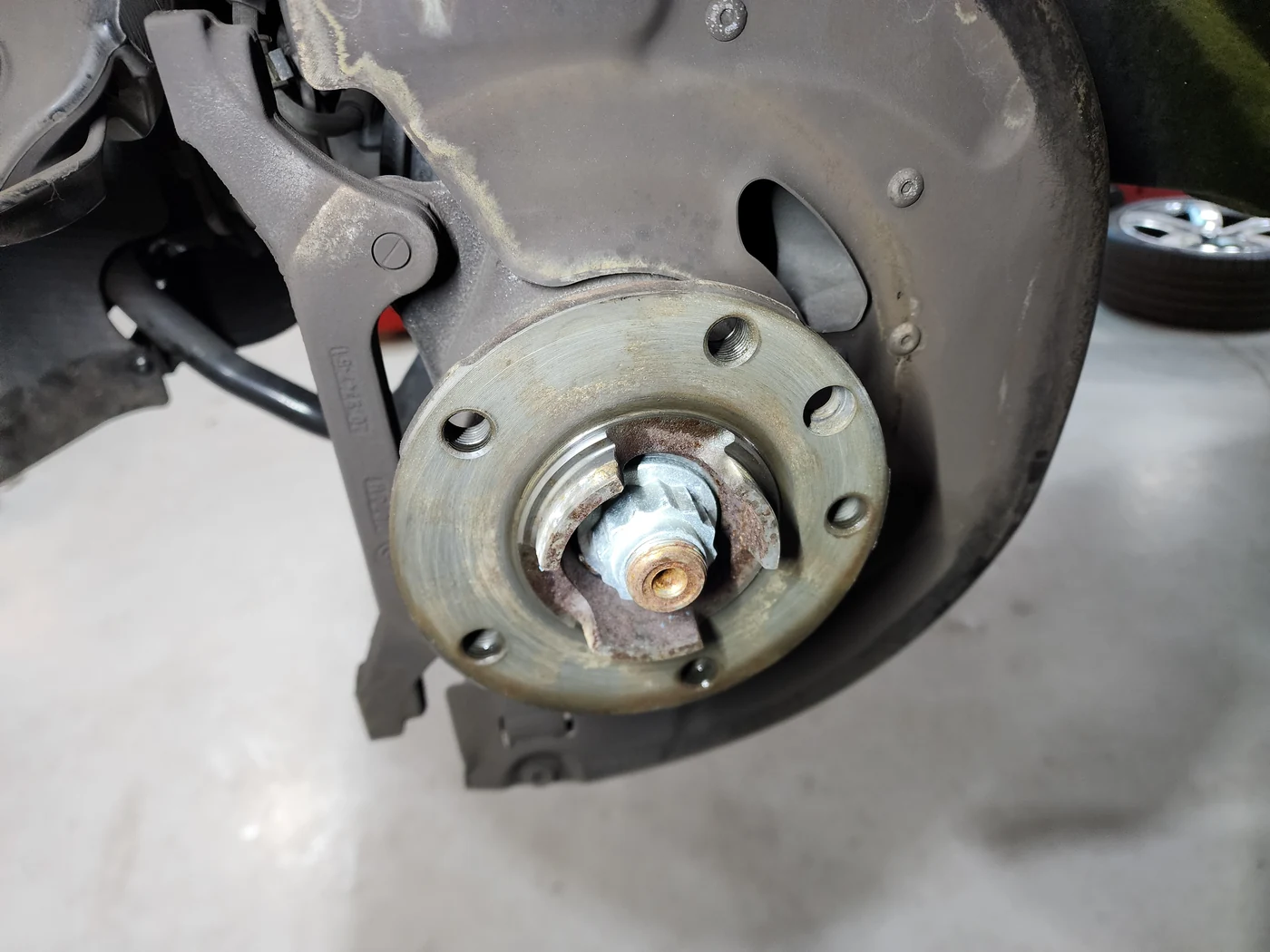
The Bentley Mulsanne Speed returned for required oil, tyre, suspension, brake and air-conditioning care from 2023 to 2026. Below is the same hub contact face before and after cleaning during the 2025 brake service. Preparing the surfaces that locate replacement components is part of the work.
Common questions about regular maintenance
Does a low-mileage car still need maintenance?
We review elapsed time, storage conditions and manufacturer guidance alongside mileage. Collection cars are assessed using their service history and current condition to identify the care they need.
Do you apply the same replacement interval to every car?
We start with the manufacturer’s guidance for the model and system, then consider change history, use and current findings. One mileage figure or oil colour does not decide every vehicle’s maintenance.
Does everything need replacing at once?
We separate work needed now from items that can remain in use and be checked again. The scope and estimate are explained first, and the agreed work then proceeds.
Do you only maintain luxury imports?
We service imports such as BMW and Mercedes-Benz and Korean cars. We select suitable oils and components, perform the required checks and specified fastening, and verify the vehicle after the work.
Plan your car’s next service with us
We review service history and current condition to explain what needs attention now and what to check next time. Products, specifications and work scope are explained before service, with checks after the work.
The model, year, mileage and recent service history help us prepare for your visit.
Call 031-258-1617Book on Naver031-258-1617 · NHC Motors, Suwon · By appointment
Read more about each area of care
Related service records
BMW 118d Engine Oil and Brake Fluid Service With Basic Inspection →
Mercedes-Benz CLA Used-Car Inspection — Battery, Tyres & Oil →