Home › Repair cases › Audi A7
PRE-PURCHASE TOTAL INSPECTION
Audi A7 pre-purchase inspection: oil leaks and brake wear
This A7 came in before purchase. The seller had described it as leak-free, yet oil was visible underneath. We separated the findings that needed repair discussion from the areas requiring another check.
On this page
- Why inspect before buying?
- Oil residue and a current leak
- Front discs and rear pads and discs needed replacement
- Brake-fluid condition and fluid servicing
- The tyres did not need immediate replacement
- Compare fault codes with the car’s current condition
- Set repair terms and a maintenance budget before buying
- Frequently asked questions
Why inspect before buying?
Oil under a car deserves a closer look even when the seller has described it as leak-free. Residue after a repair and a current leak call for different next steps.
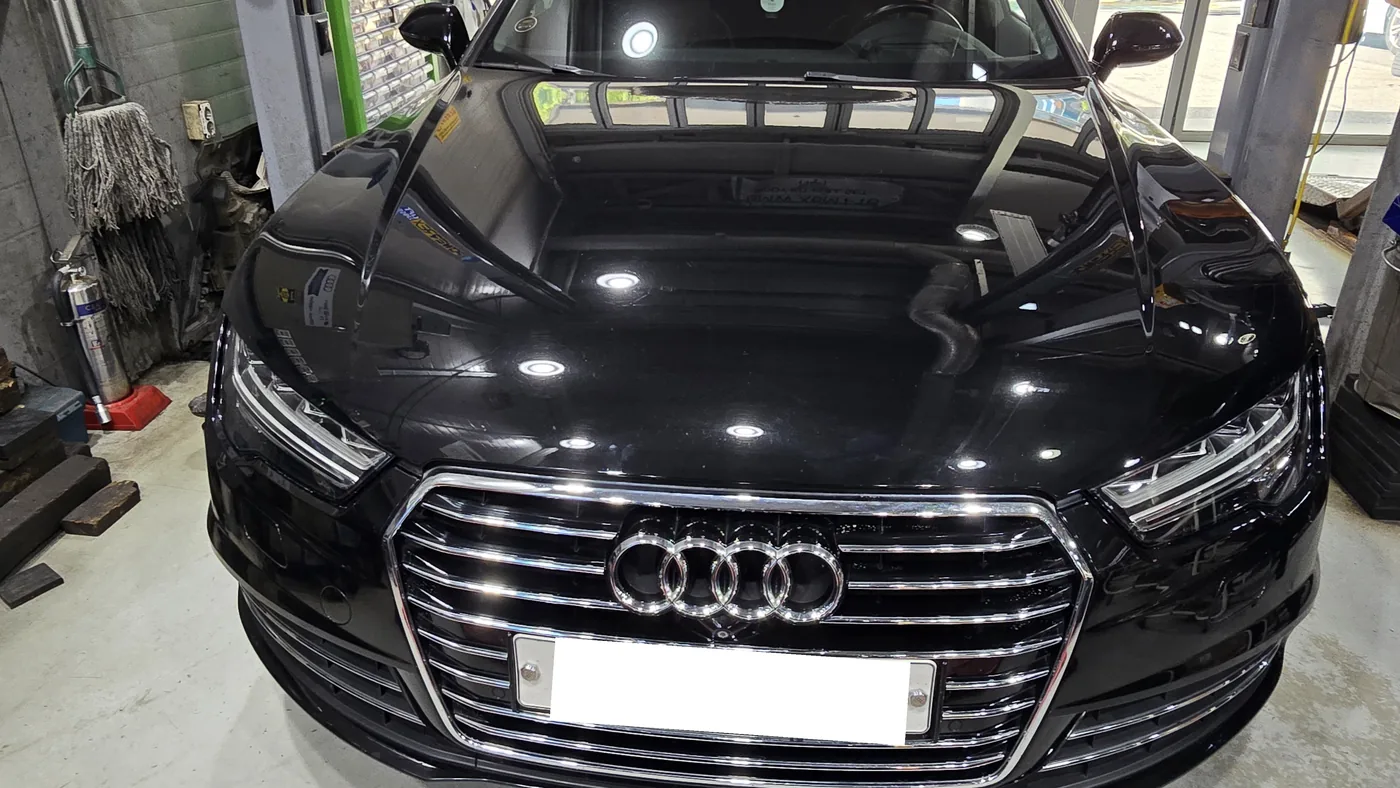
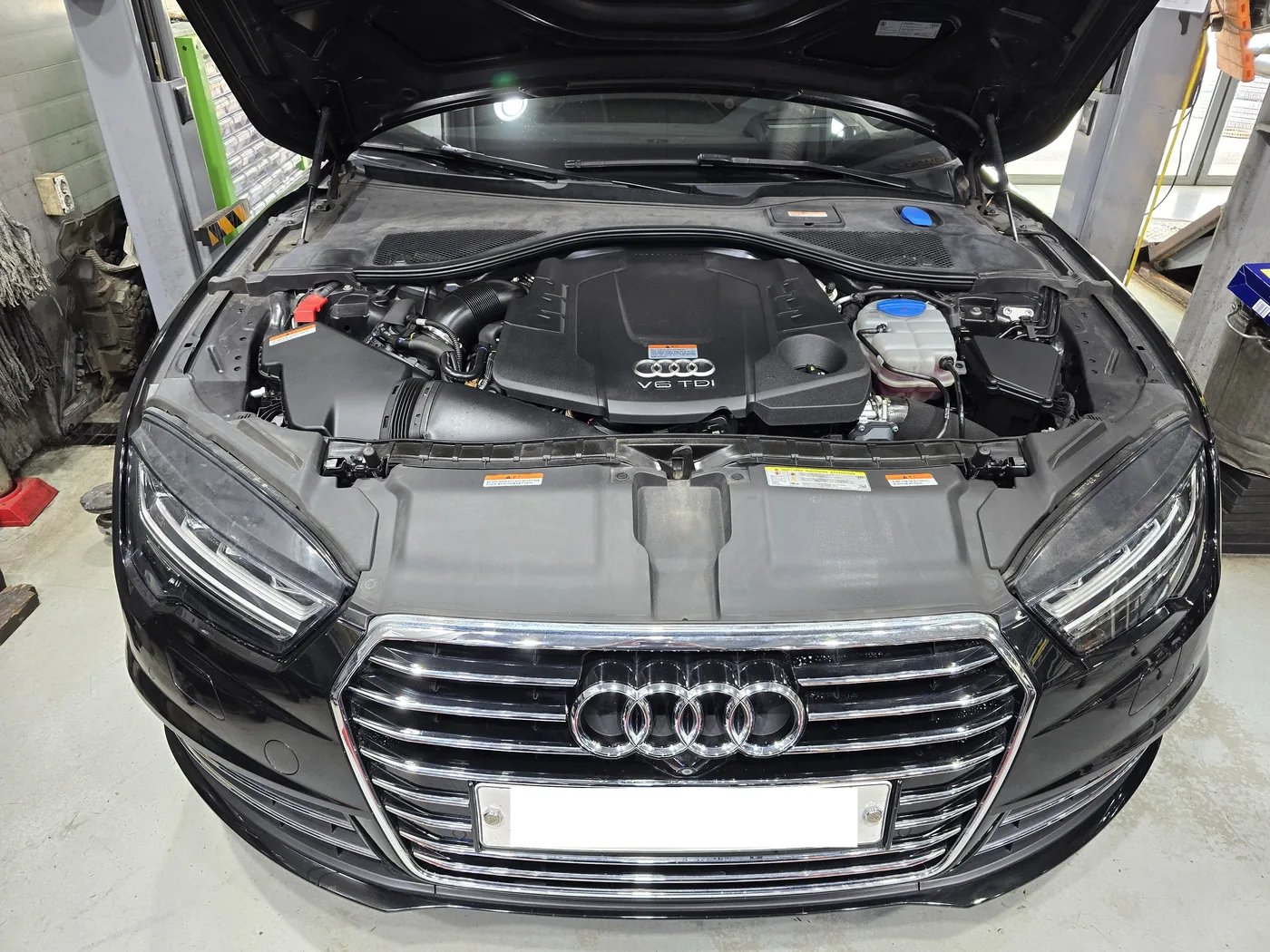
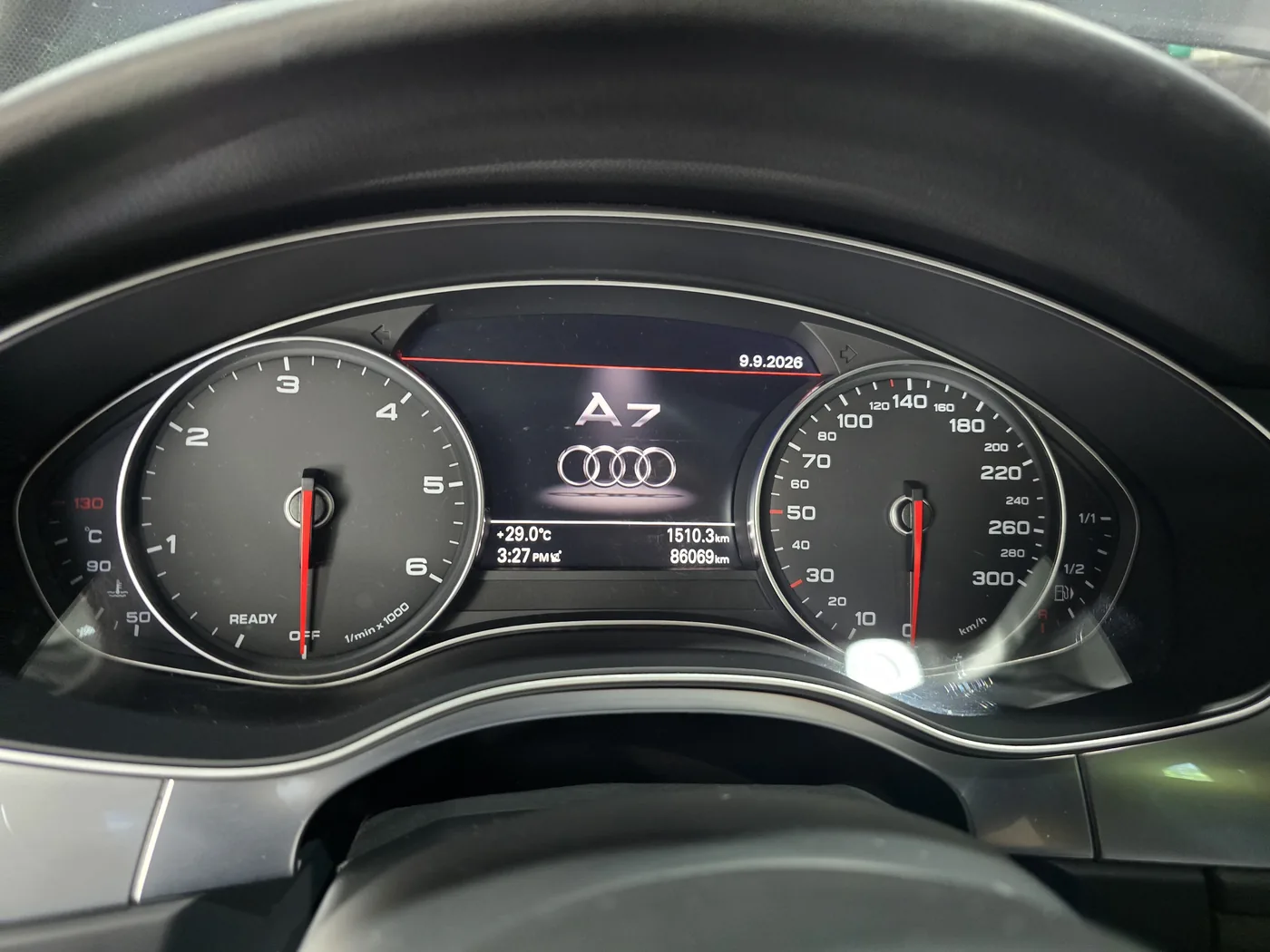
This 2016 A7 55 TDI was inspected before purchase. The odometer read 86,069 km. We reviewed diagnostic records, brakes, tyres and suspension, and assessed brake-fluid condition and fluid-service needs.
Oil residue and a current leak
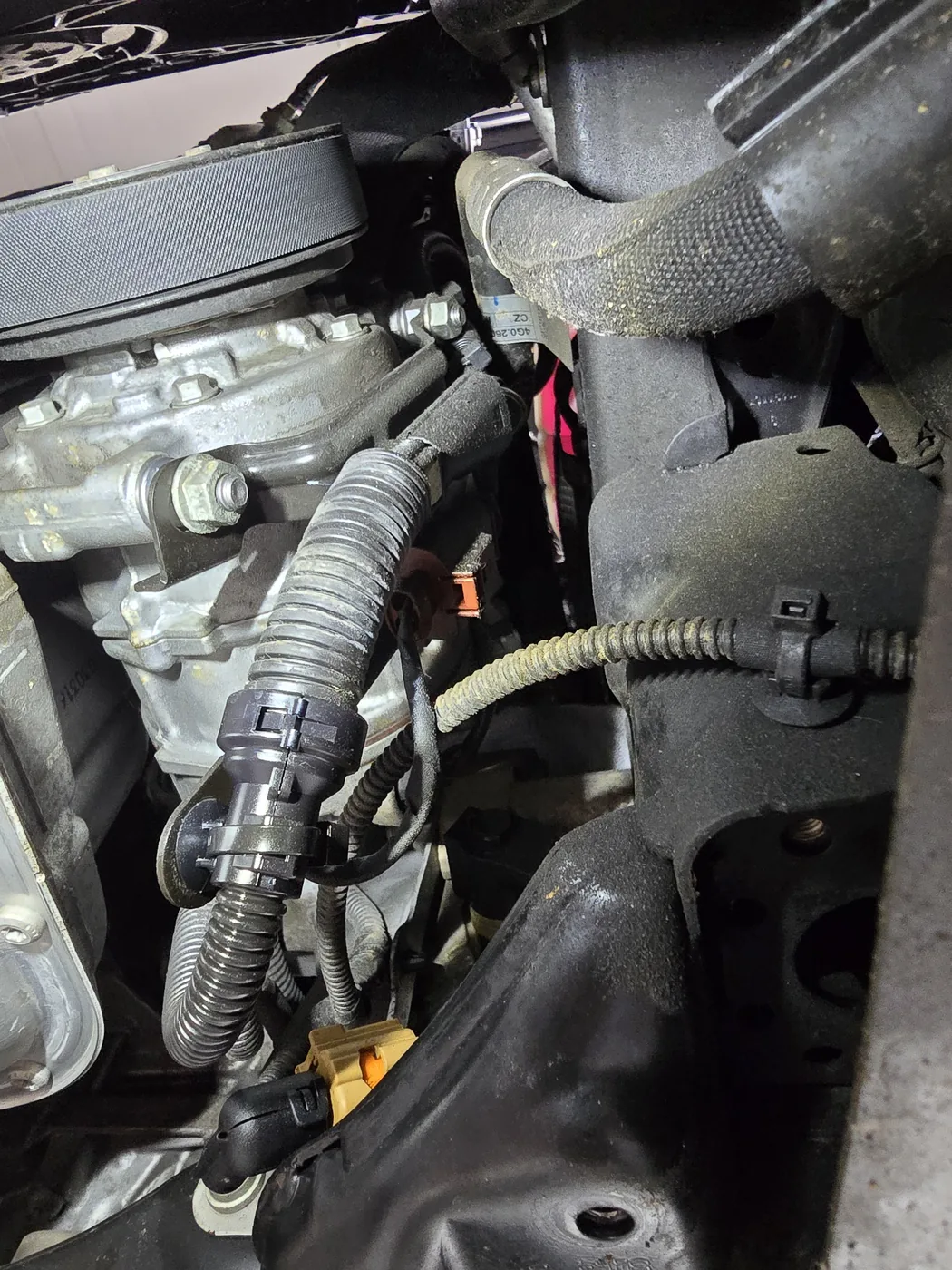
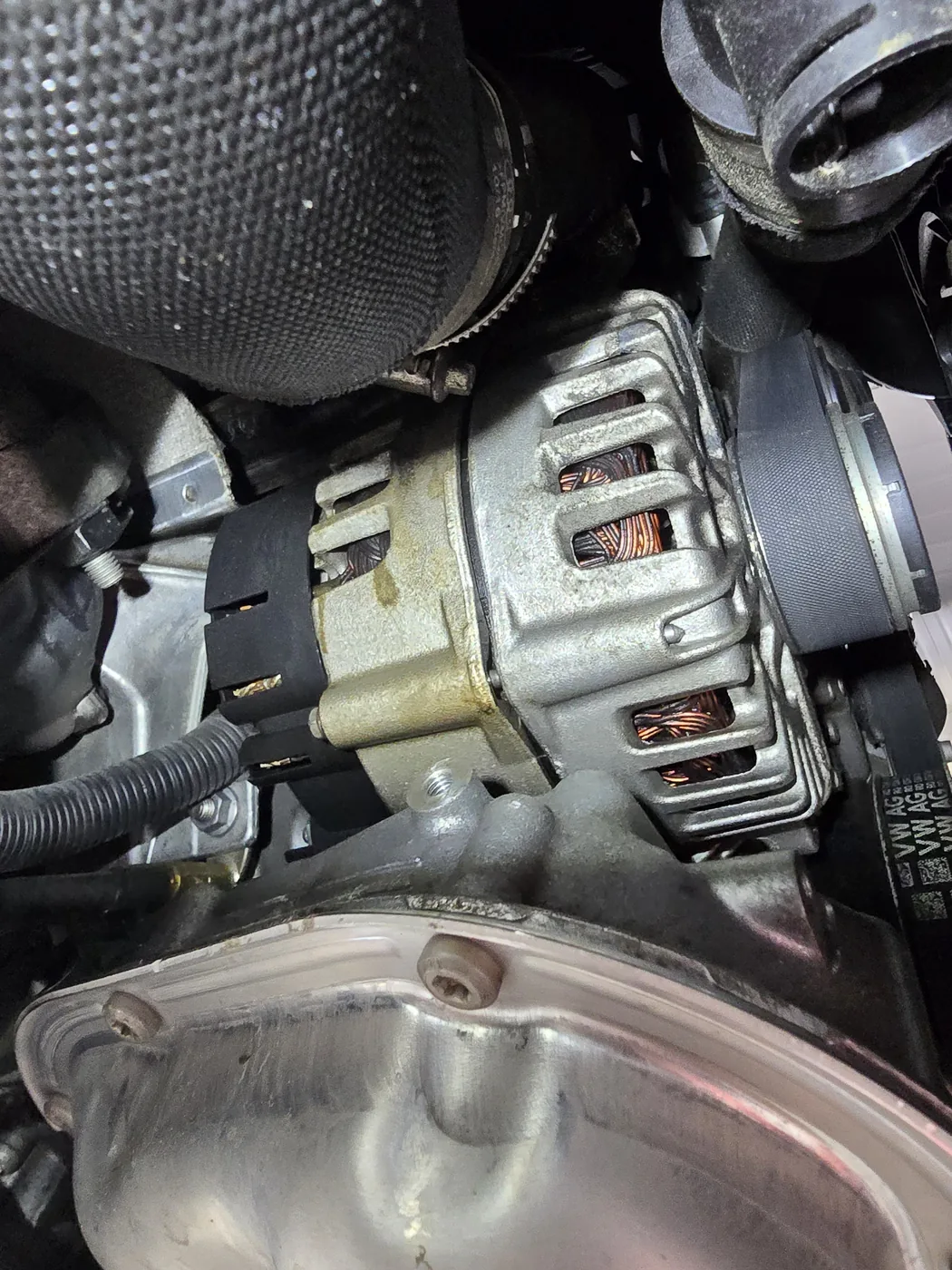
Oil residue extended around the engine mount and below the alternator. There was a little oil around the valve-cover area too, but that trace alone did not explain the amount visible lower down.
An earlier leak repair followed by incomplete cleaning was a possibility. Service records are needed to establish what was repaired. The engine area needs cleaning and rechecking before saying it no longer leaks.
Around the engine
Clean, then check for fresh oil
Transmission pan
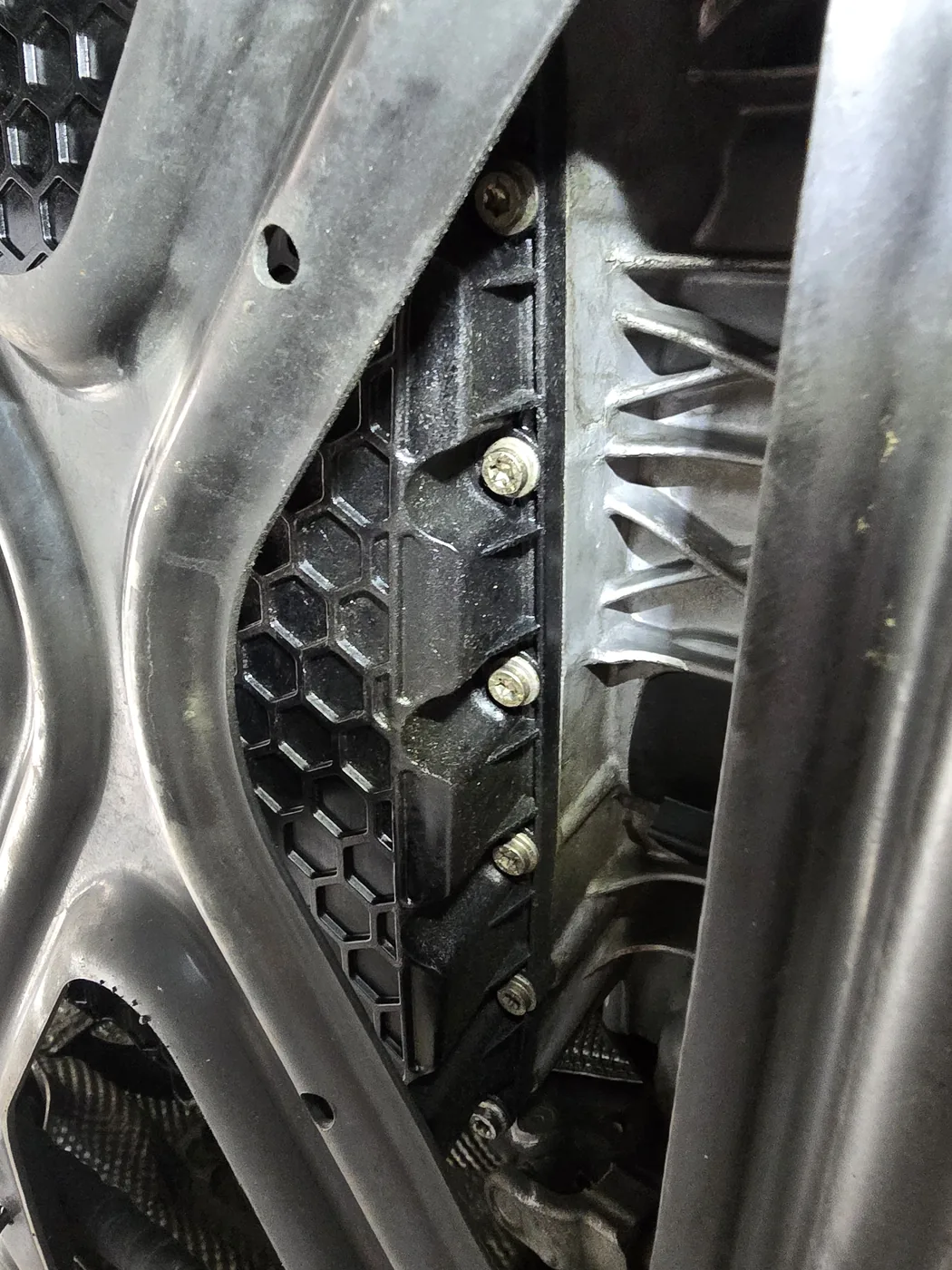
Confirm repair scope and estimate
The transmission pan was a separate finding. It was wet during the inspection and was assessed as currently leaking. The next step is to establish the repair scope and cost, rather than only consider changing the oil.
Front discs and rear pads and discs needed replacement
Some front pad material remained, but the discs had a pronounced outer lip. The rear pads and discs also needed replacement.
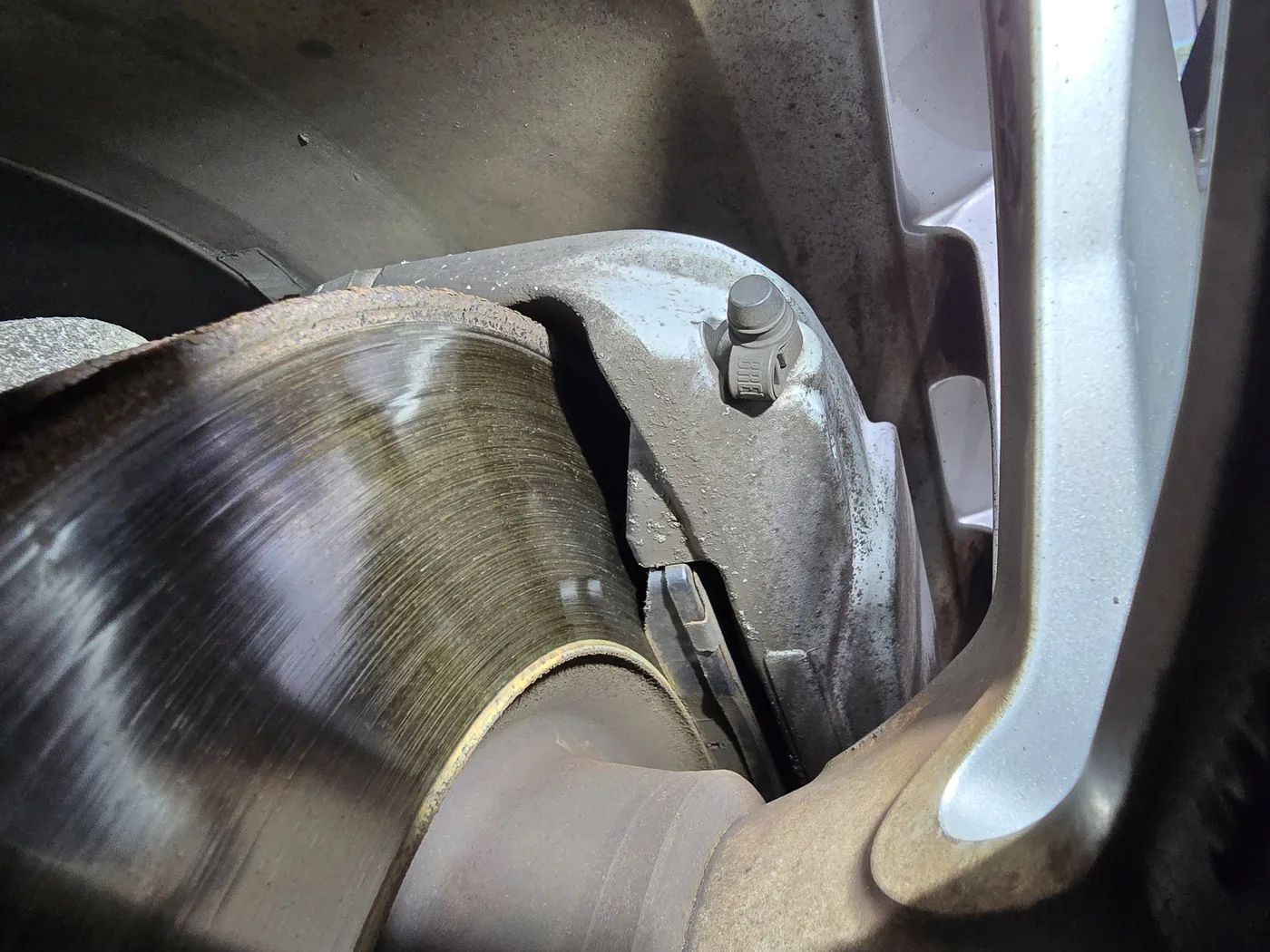
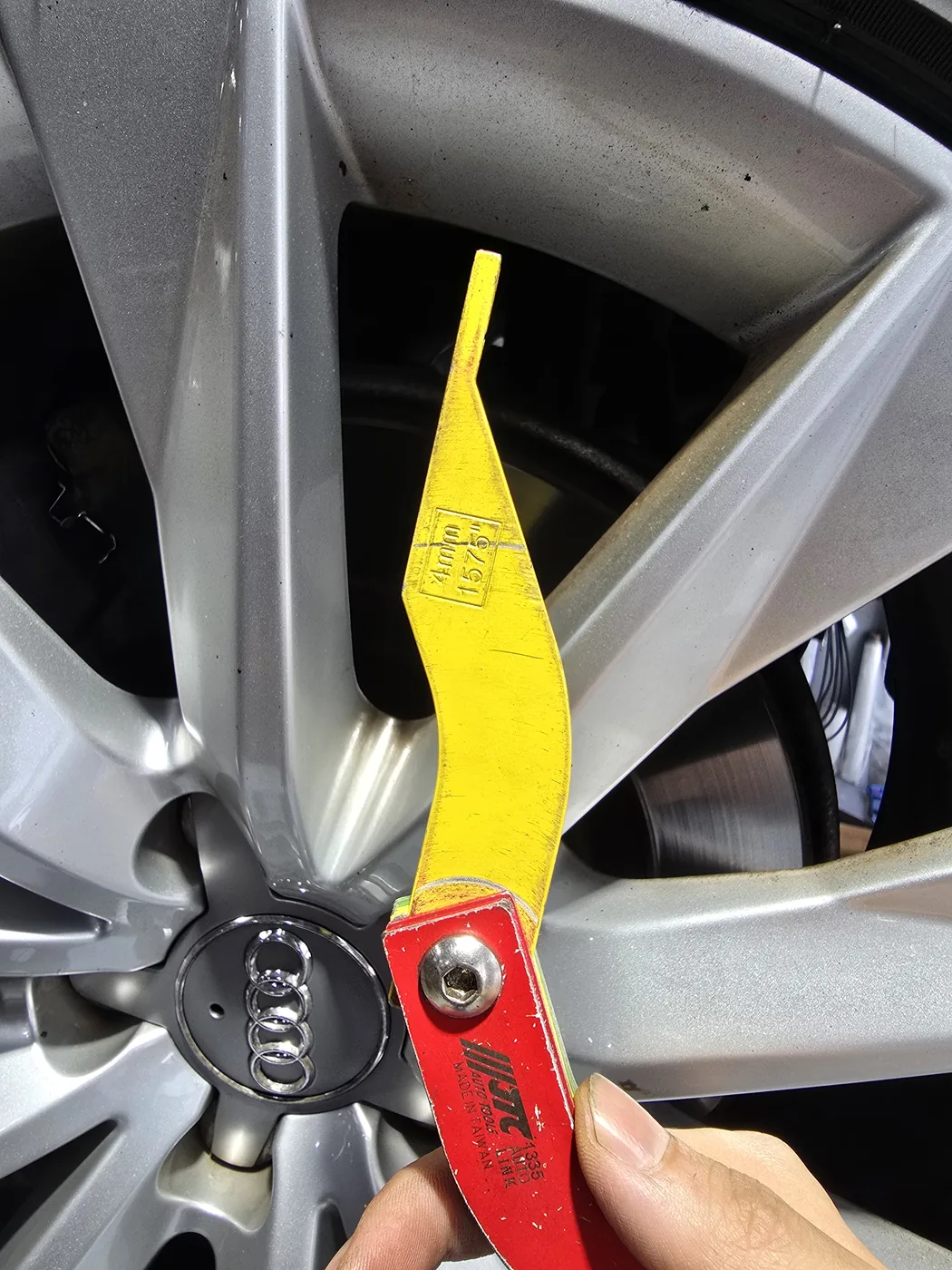
Allow for front discs and rear pads and discs in the maintenance budget. Get an estimate before buying and consider it alongside the asking price.
Brake-fluid condition and fluid servicing
The brake fluid needed replacement. The transmission oil also needed changing. Include these fluid services when calculating the cost of buying the car.
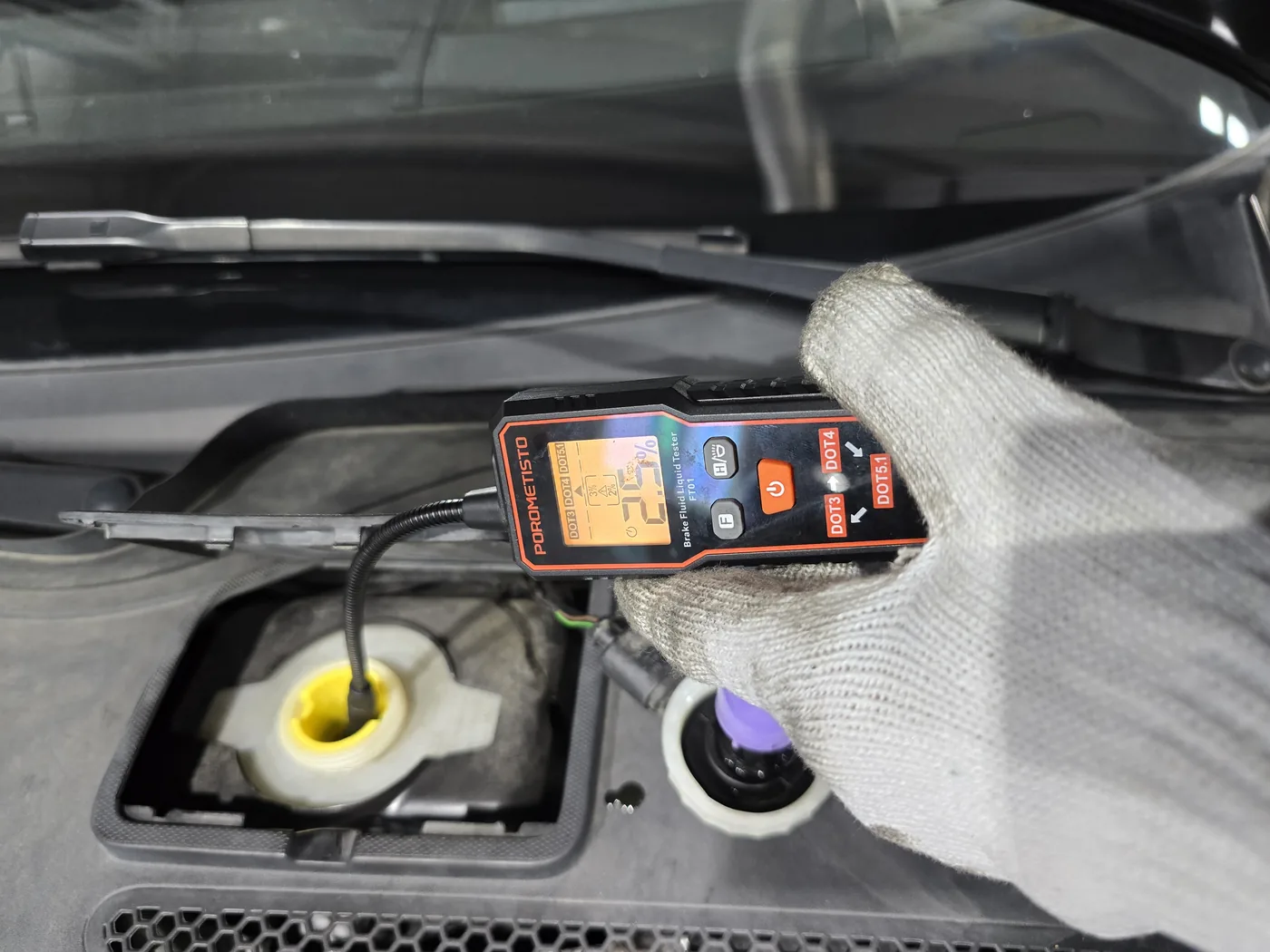
Ask for recent fluid-service records. The product used and date of service help plan the next maintenance visit.
The tyres did not need immediate replacement
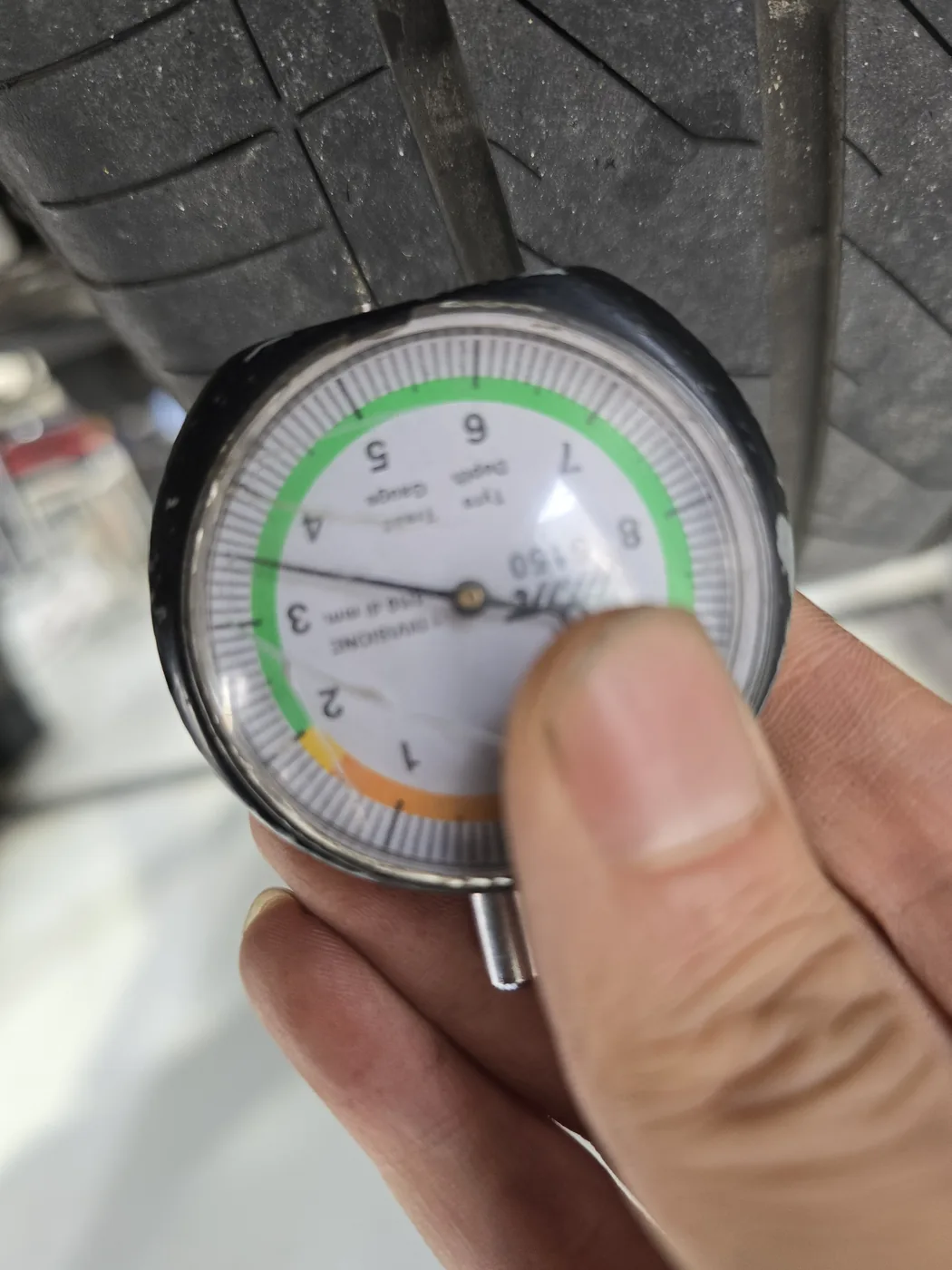
The tyres did not need immediate replacement. During the inspection discussion, the remaining tread was described as about 4 mm, with one rear tyre at about 3 mm. The front tyres were made in 2024 and the rears in 2019. Consider both tread remaining and production dates when planning replacement.
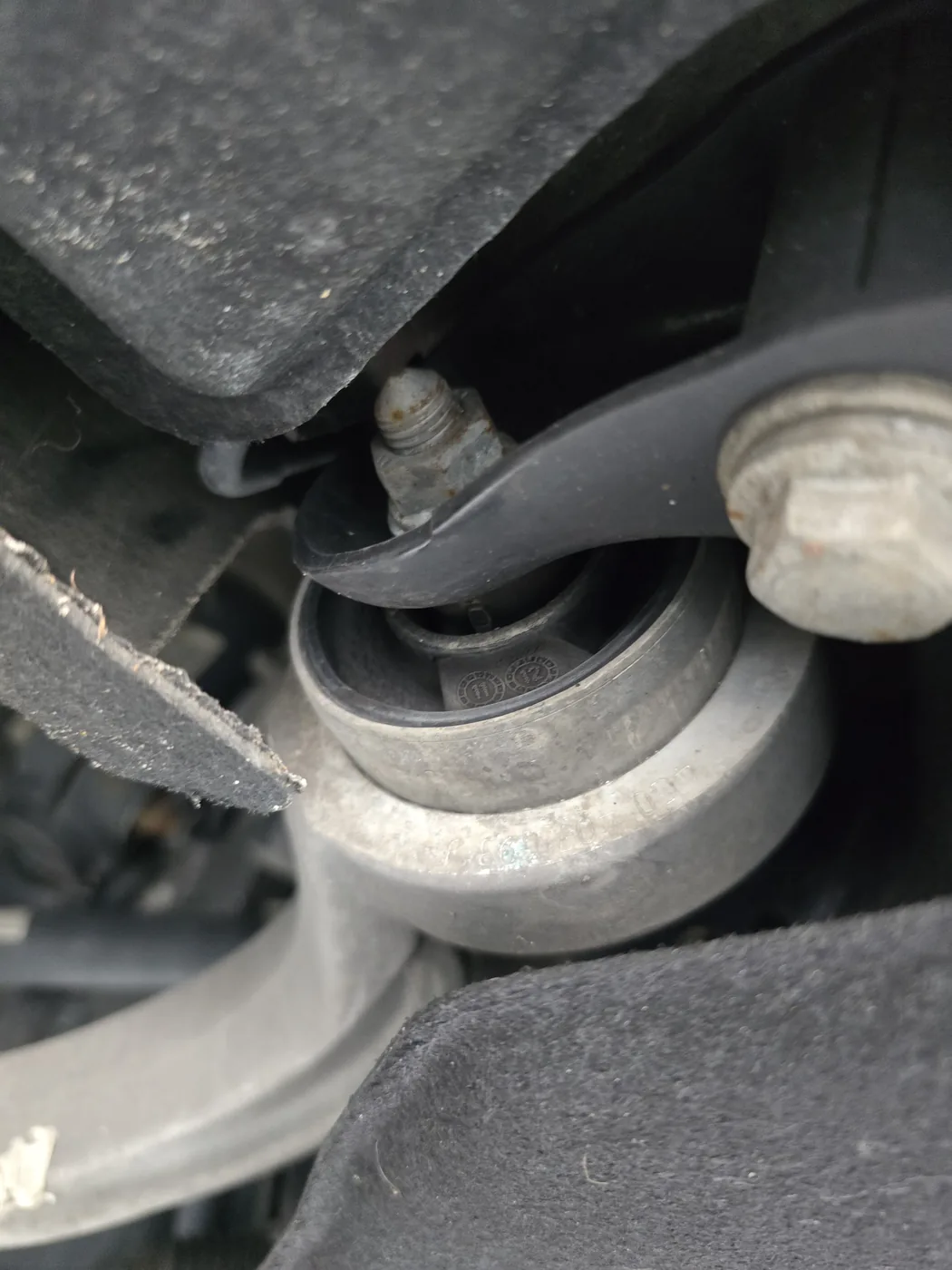
No visibly torn suspension bushes were found. Noise still needs checking on a drive before purchase. If there is a noise, establish its source and repair cost before deciding.
Compare fault codes with the car’s current condition
All three codes were stored as historical/intermittent. Compare them with the car’s current condition to establish whether they reflect an earlier warning or an ongoing problem.
| Code | Recorded item | Status |
|---|---|---|
| U140000 | Function restriction due to undervoltage | Historical / intermittent |
| C102D00 | Tyre-pressure warning | Historical / intermittent |
| B11D913 | Boot-lid motor 1: open circuit | Historical / intermittent |
Check battery voltage and charging, tyre pressure and boot-lid operation, and see whether warnings return. Those findings are needed before deciding which parts, if any, require replacement.
Set repair terms and a maintenance budget before buying
The condition did not rule out buying this car. But decide how the leakage will be repaired and get estimates for brakes and fluids before committing to the purchase.
Three things to settle before purchase
- Leak repairs
- Ask the seller for previous repair records and agree the transmission-pan repair scope and who pays.
- Maintenance budget
- Get estimates for front discs, rear pads and discs, and fluid servicing, then compare the total with the asking price.
- Remaining checks
- Check suspension noise and the actual operation of systems with stored codes before purchase.
Once these points are clear, the buyer can make a more informed purchase decision.
Show the seller the leak photos and ask for previous repair records. Agree how the remaining leak will be repaired and who pays. Use this to negotiate repair before handover or an adjustment to the price.
If warranty cover is promised, check the condition report, applicable policy and scope of cover with the insurer. Record the affected parts and who pays in writing before purchase. This case covers the pre-purchase inspection only.
See our used-car inspection and purchase guidance (Korean) and the BMW reinspection after warranty repair (Korean).
Frequently asked questions
What should I check before buying a used Audi A7?
Start by comparing the condition described by the seller with the actual car. This A7 inspection covered engine-area oil residue, transmission-pan leakage, brakes and fluids. Repair scope and likely costs help the buyer assess the purchase terms.
Does oil residue mean there is still an active leak?
It may be residue from an earlier leak. That was a possibility around this engine, whereas the transmission pan was assessed as currently leaking. The engine area needs cleaning and another check for fresh leakage.
Can a brake disc need replacement when the pads still have material left?
Yes. On this A7, some front pad material remained but the discs had a pronounced outer lip. Front discs and rear pads and discs needed replacement and belong in the pre-purchase maintenance budget.
Does a stored fault code mean a part should be replaced immediately?
Do not choose replacement parts from codes alone. All three records here were historical/intermittent. Check the battery and charging, tyre pressure and boot-lid operation, and whether warnings return before deciding on replacement.
Will a used-car warranty policy pay for every oil leak?
Finding a leak does not establish coverage. The condition report, applicable policy and scope of cover need to be checked with the insurer. If the seller has promised a repair, record the affected parts and who will pay in writing before purchase.
Will the inspection tell me whether to buy the car?
We explain the car’s condition and required maintenance; the buyer decides. This A7’s condition did not rule out buying it. Clarifying leak-repair terms and getting brake and fluid-service estimates helps the buyer assess the asking price.
Do I have to authorise repairs after the inspection?
Inspection and repair are separate. We explain the repair scope and estimate before proceeding with approval. This article records a pre-purchase inspection, not completed replacement of all the parts discussed.
How long does a pre-purchase total inspection take and what does it cost?
Usually 60–90 minutes, or around 120 minutes for some vehicles. The fee is KRW 165,000 including VAT, or KRW 150,000 excluding VAT. Any additional diagnosis or repair scope and cost are explained first. Arrange access to the vehicle with the seller before booking.
Want to know the car’s condition before signing?
Tell us the model, mileage, any symptoms and the condition described by the seller. Share the condition report and service history if available, and arrange access to the vehicle before booking.
We explain the scope of any repairs and the estimate before proceeding with your approval.
Total inspection · Time and fee
- Typical inspection time
- 60–90 minSome vehicles need around 120 minutes.
- Inspection fee
- ₩165,000Including VAT
₩150,000 · Excluding VAT
This is the inspection fee. If additional diagnosis or repairs are needed, we explain the scope and cost first. Fees by inspection type (Korean)
By appointment only · Gwonseon-gu, Suwon
Total inspection scope and booking information (Korean)