NHC MOTORS · SERVICE RECORD
Mercedes-Benz E300: is replacing an inner-worn tyre enough?
This E300 had covered over 110,000 km, with pronounced wear on the inner tyre shoulder. The visit combined tyre replacement, inner-wheel cleaning, Road Force measurement and alignment with transmission and differential fluid service.
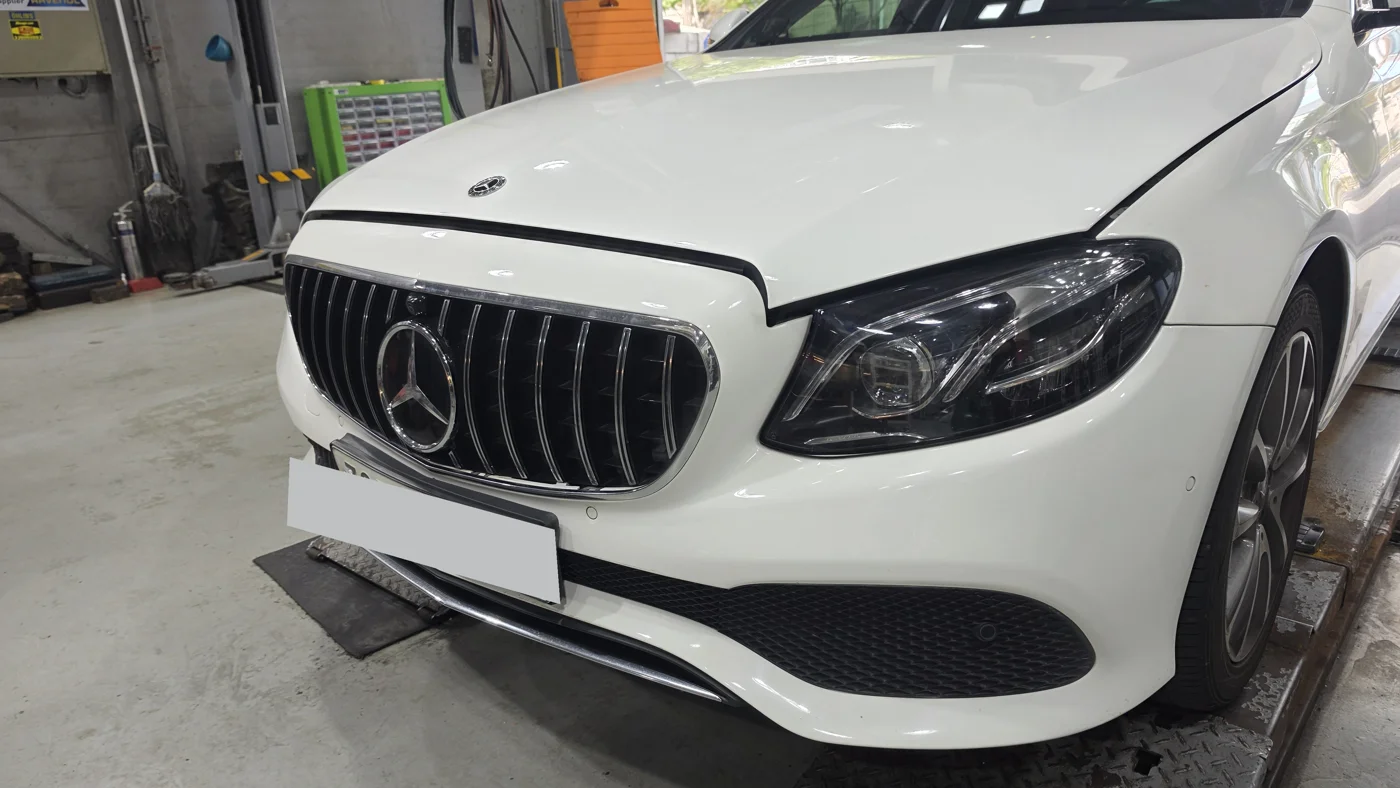
2019 Mercedes-Benz E300 · 110,910 km · inner tire wear found
Tire replacement, inner wheel cleaning, RFV measurement, wheel alignment, transmission and differential fluid exchange
Front-left toe 2.8→1.2 mm · rear toe 2.5 mm each · thrust angle 0.05→0.00°
01 / NHC MOTORS
Inner-edge wear that is easy to miss
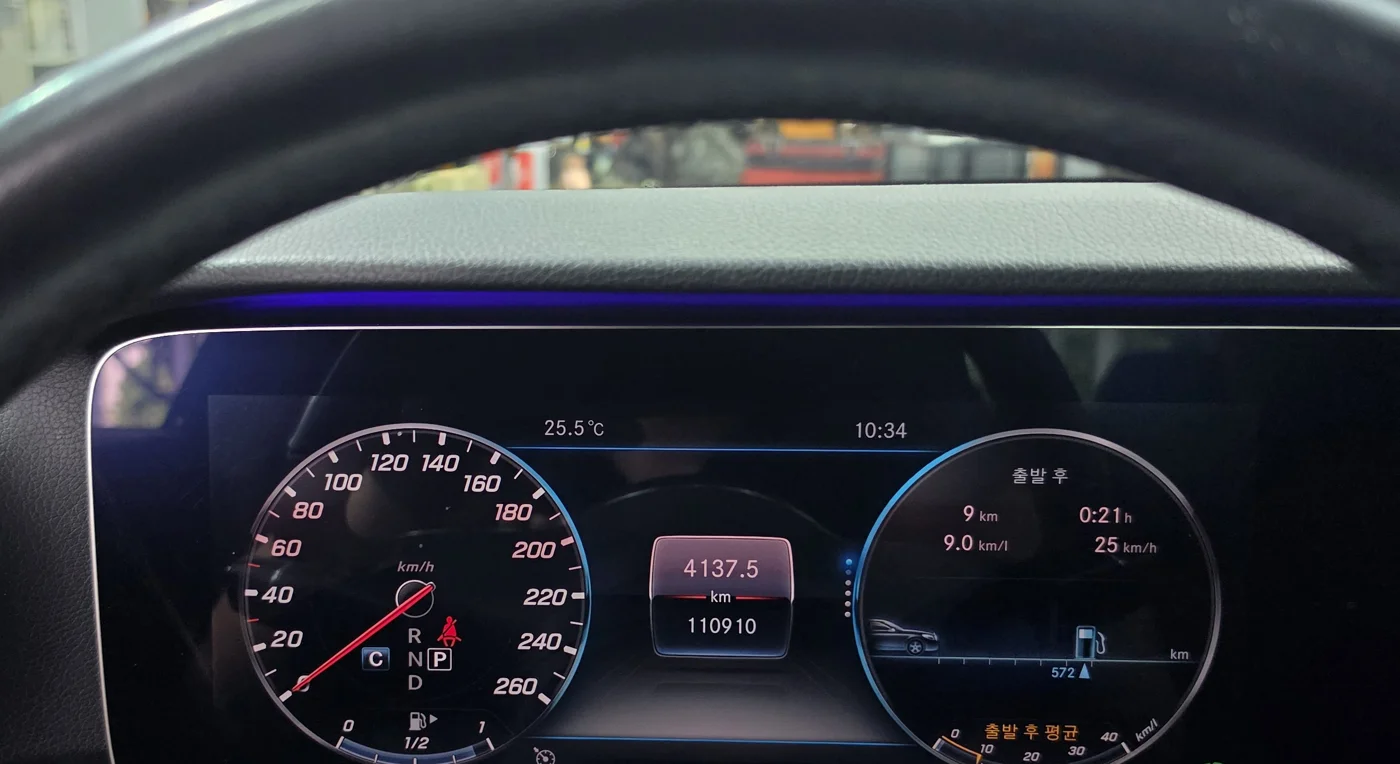
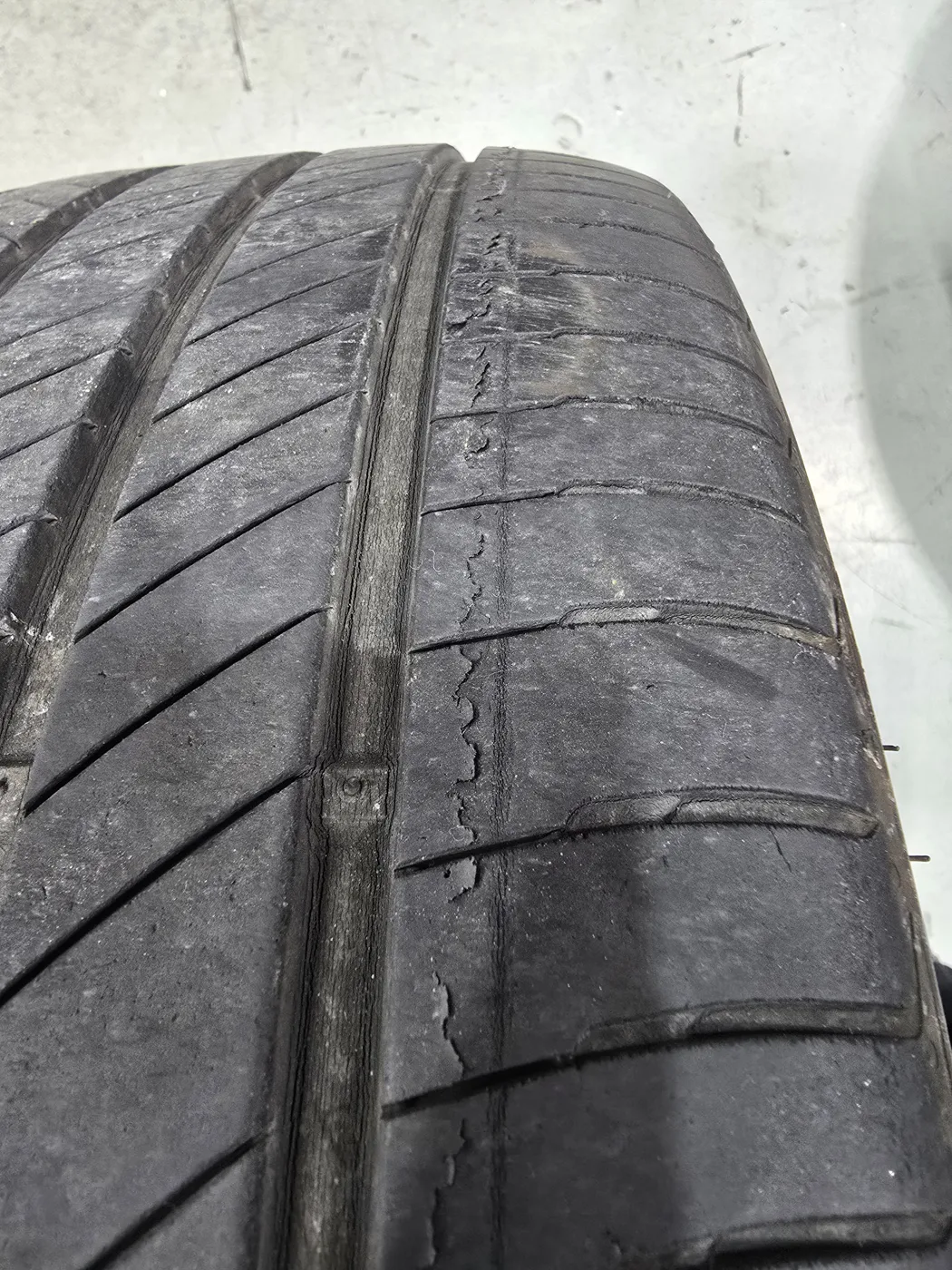
This is a 2019 Mercedes-Benz E300 with 110,910 km on the odometer. Inspecting the tires, the inner shoulders were visibly more worn than the outer. Inner wear is hard to spot from outside the car, so it often goes unnoticed until it is well advanced.
Several factors can contribute to inner-edge wear: wheel alignment, driving conditions, and the condition of suspension components. If the cause is left alone, new tires can start wearing in the same spot, so we combined the tire replacement with an alignment check.
02 / NHC MOTORS
Tire Replacement and RFV Measurement
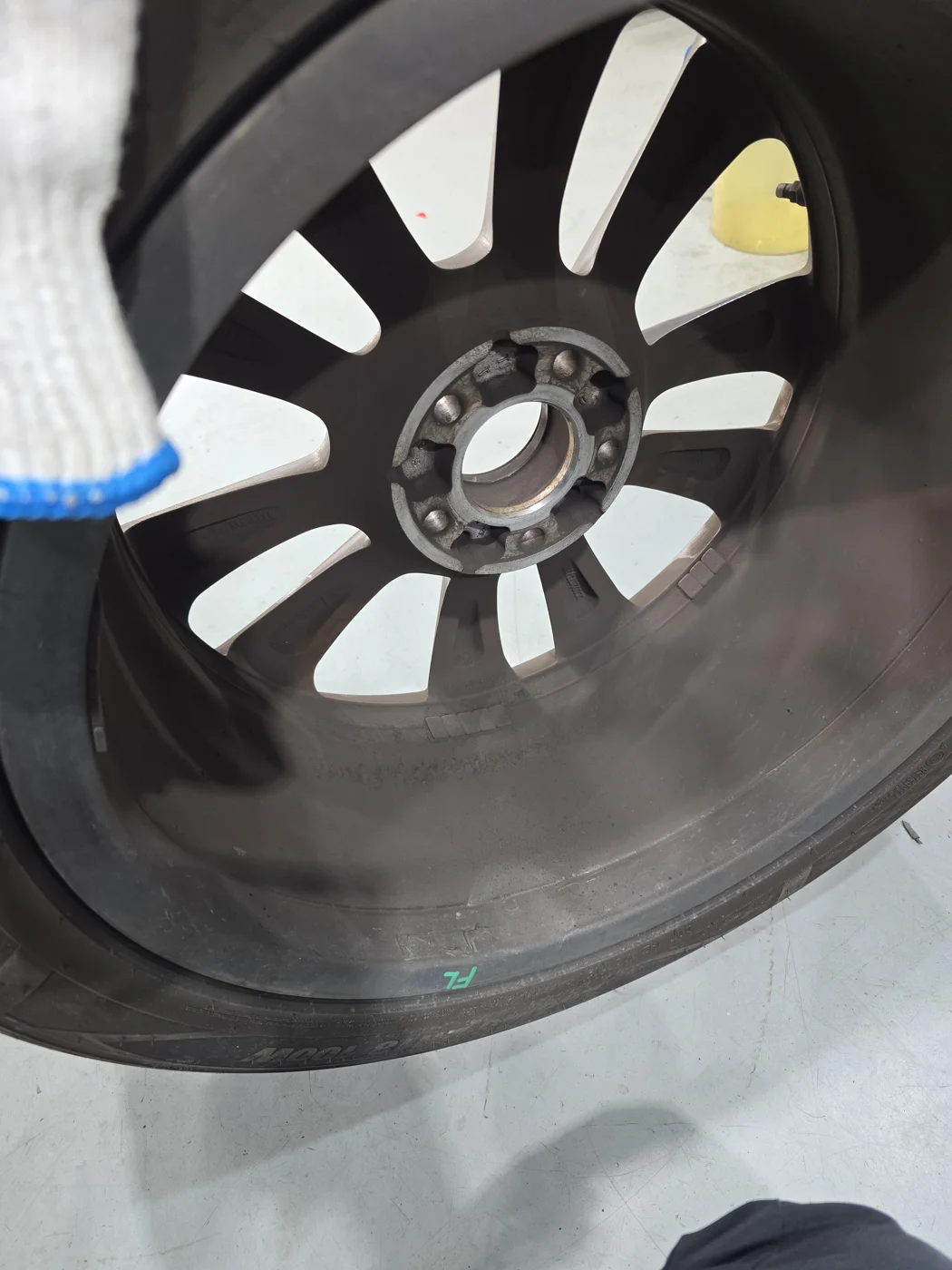
We used the Hunter Revolution to remove and fit the tyres, and cleaned the inner wheel surfaces. With the tyres removed, we could inspect the inside and the areas around the existing balance weights.
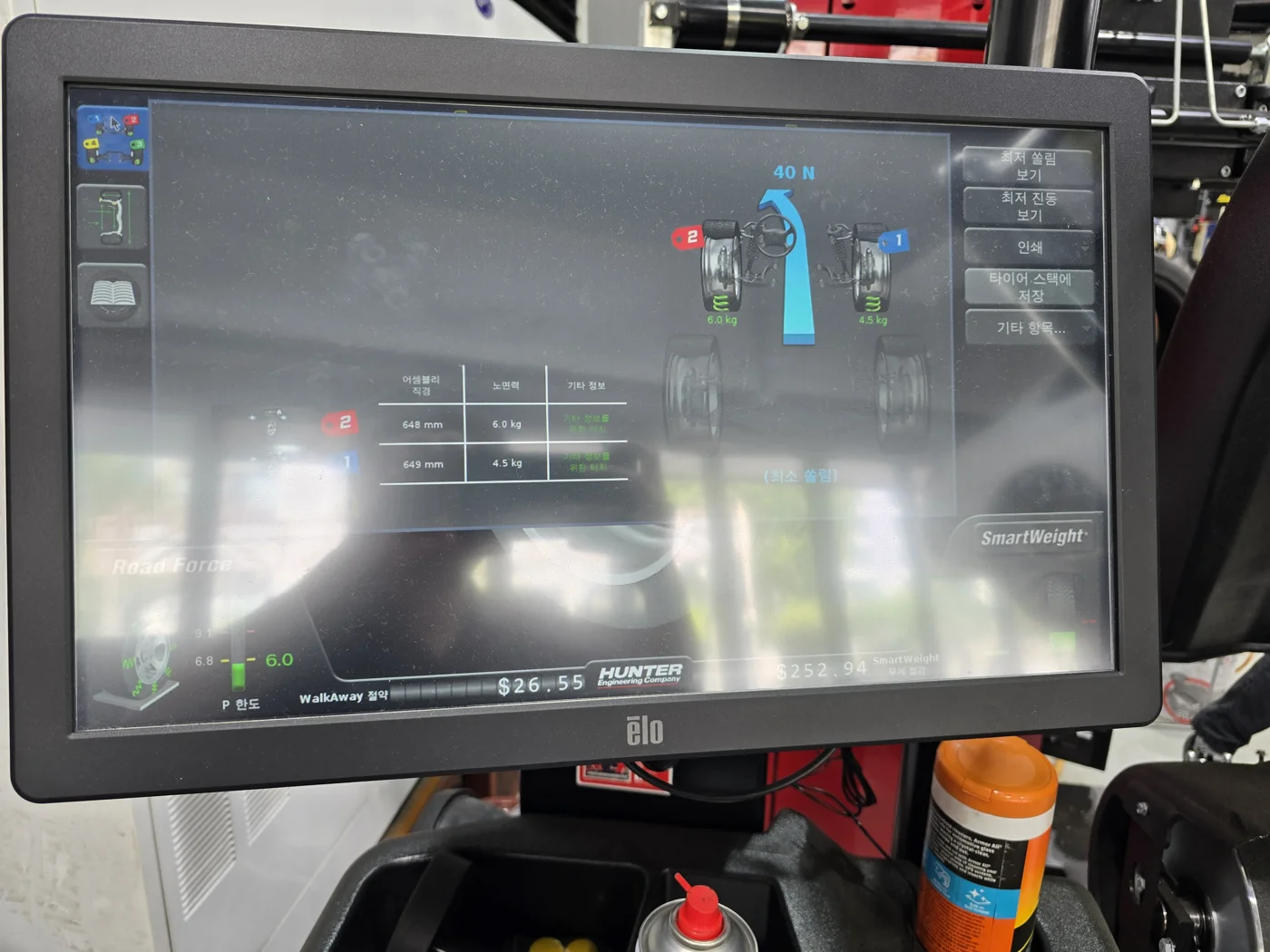
The assembled tyres and wheels were then measured on a Hunter Road Force machine. Its roller applies a load to measure force variation as the assembly turns. The saved screen shows readings of 6.0 kg and 4.5 kg for two assemblies.
03 / NHC MOTORS
Wheel Alignment: Front-Left Toe and Rear Side-to-Side Balance
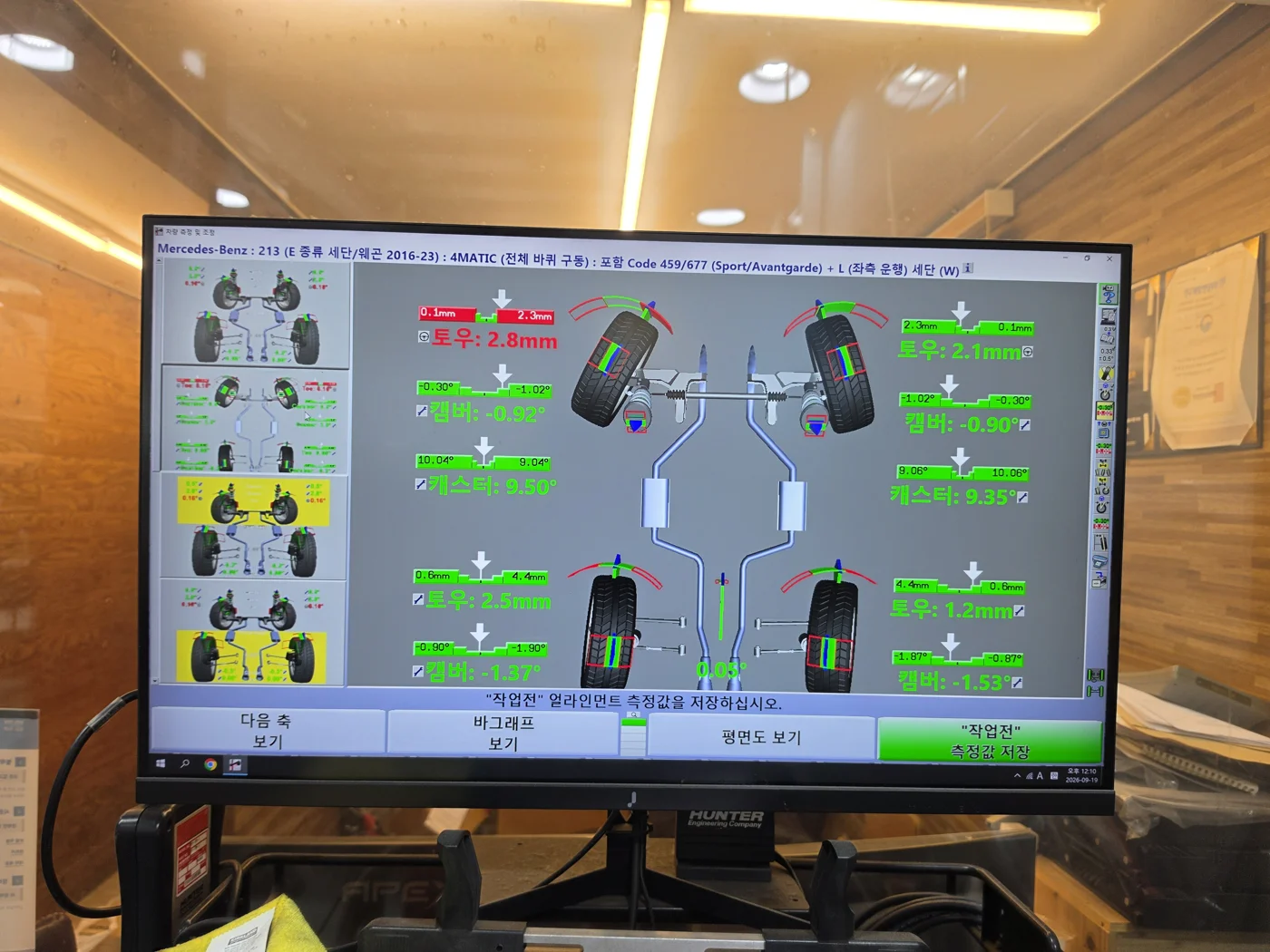
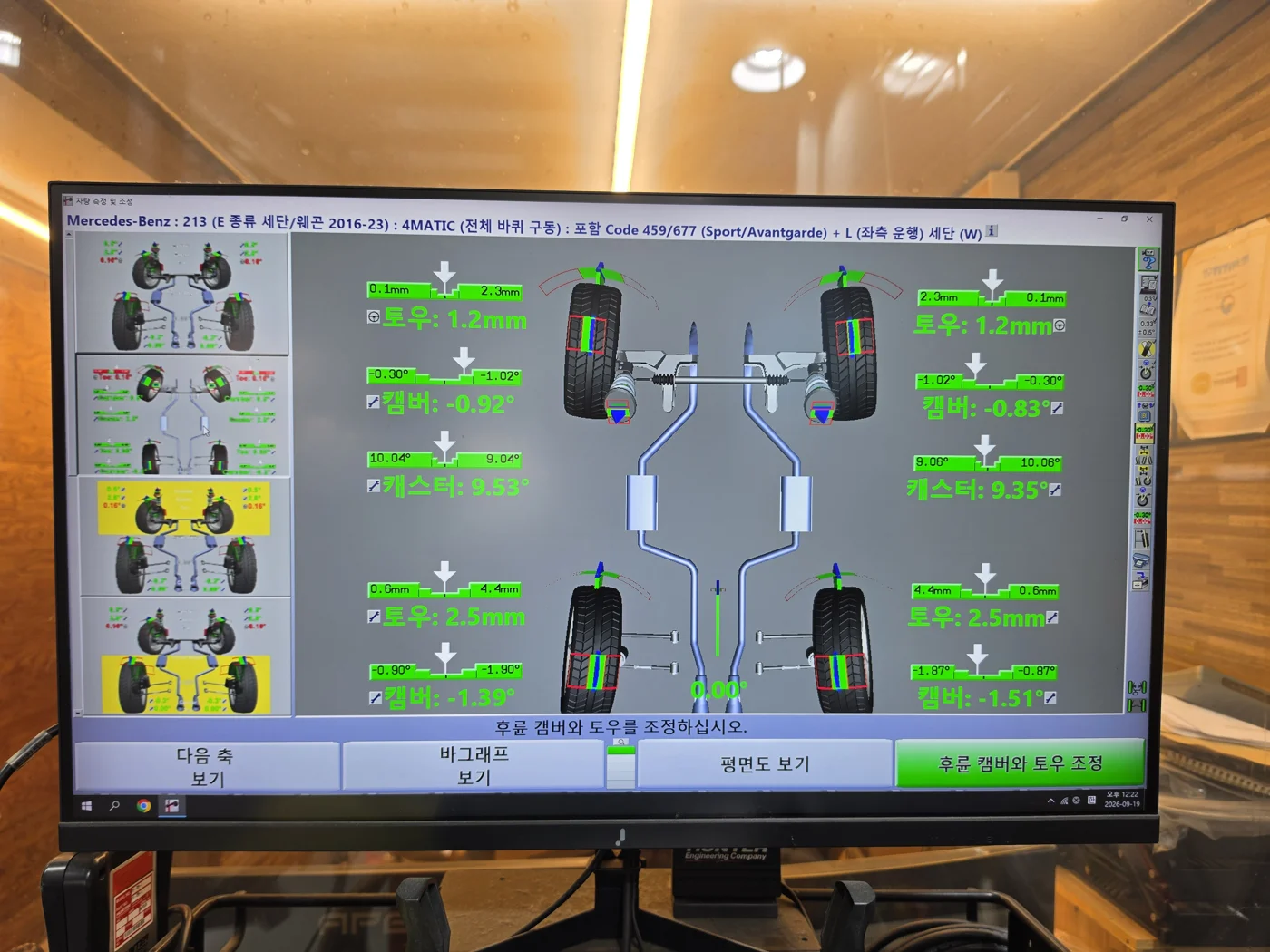
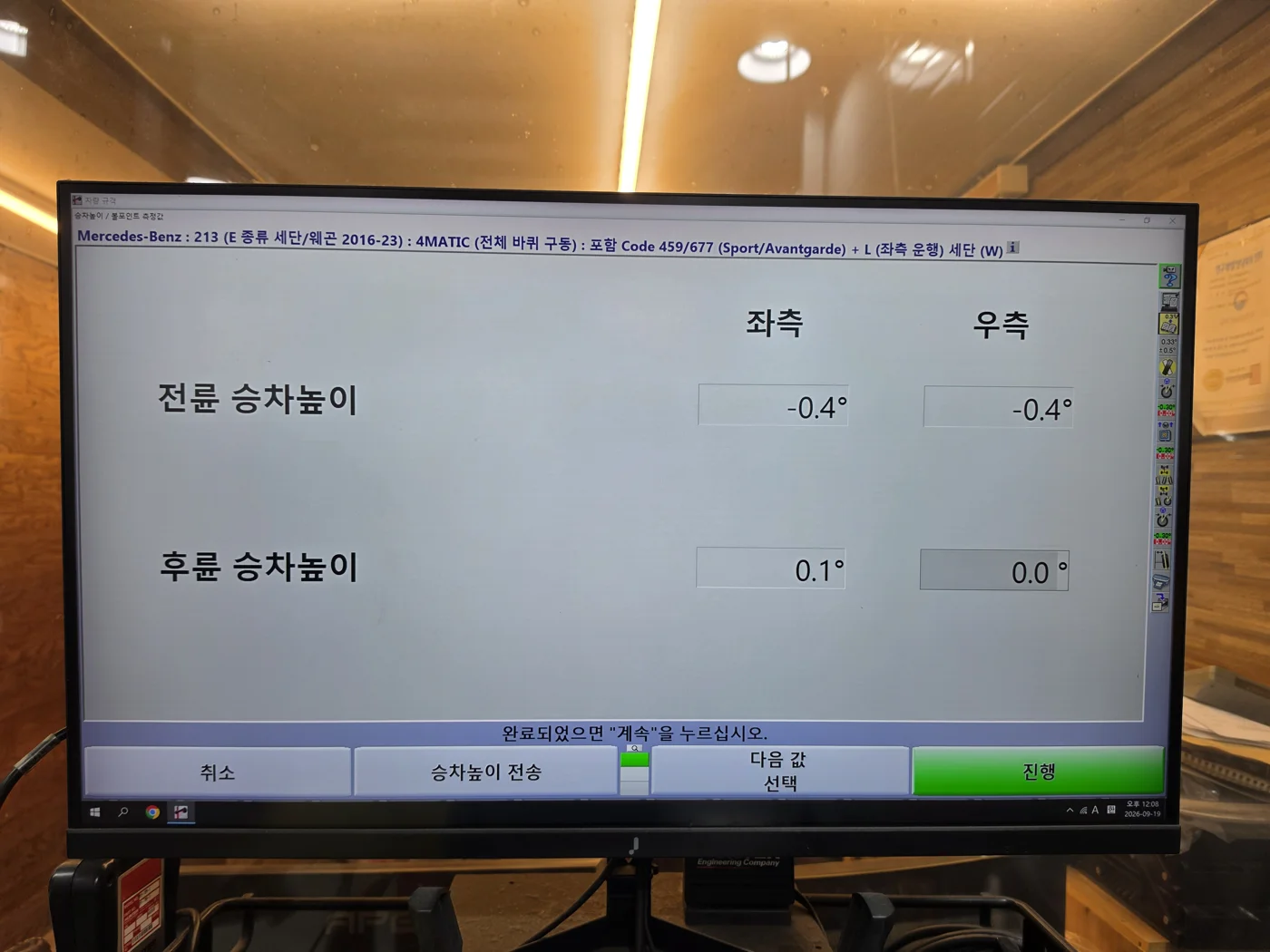
We checked ride height before measuring alignment. Front-left toe was 2.8 mm, outside the displayed 0.1–2.3 mm range. Both front wheels were adjusted to 1.2 mm.
Rear toe was 2.5 mm on the left and 1.2 mm on the right. Both readings were within range, but unequal. We adjusted them to 2.5 mm each; the thrust angle changed from 0.05° to 0.00°.
With the new tyres fitted, the next useful check is how their inner and outer shoulders wear. Comparing that wear with this visit’s measurements will help plan later maintenance.
Before adjustment
Toe readings · mm
After adjustment
Toe readings · mm
Toe direction and differences are exaggerated at the same scale in both views. Green: within the displayed toe range; red: outside. Camber is shown separately in the table.
| Wheel | Toe before (mm) | After (mm) | Camber before (°) | After (°) |
|---|---|---|---|---|
| Front left | 2.8 | 1.2 | -0.92 | -0.92 |
| Front right | 2.1 | 1.2 | -0.90 | -0.83 |
| Rear left | 2.5 | 2.5 | -1.37 | -1.39 |
| Rear right | 1.2 | 2.5 | -1.53 | -1.51 |
Caster L/R: 9.50° / 9.35° → 9.53° / 9.35°. Thrust angle: 0.05° → 0.00°.
BMW X6: vibration after new tyres led to checks of the wheels themselves. →
04 / NHC MOTORS
Transmission and differential fluid service with BG equipment
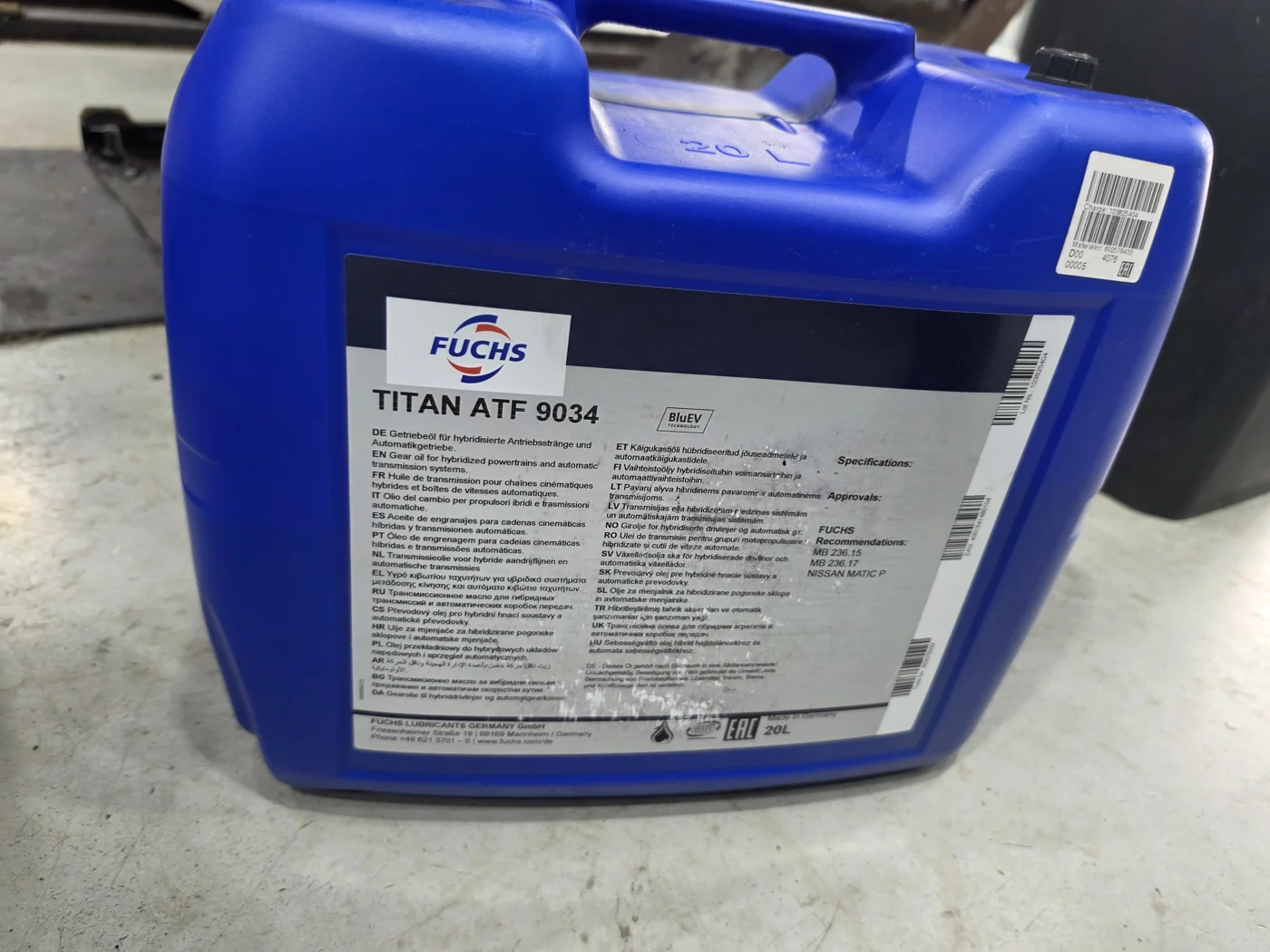
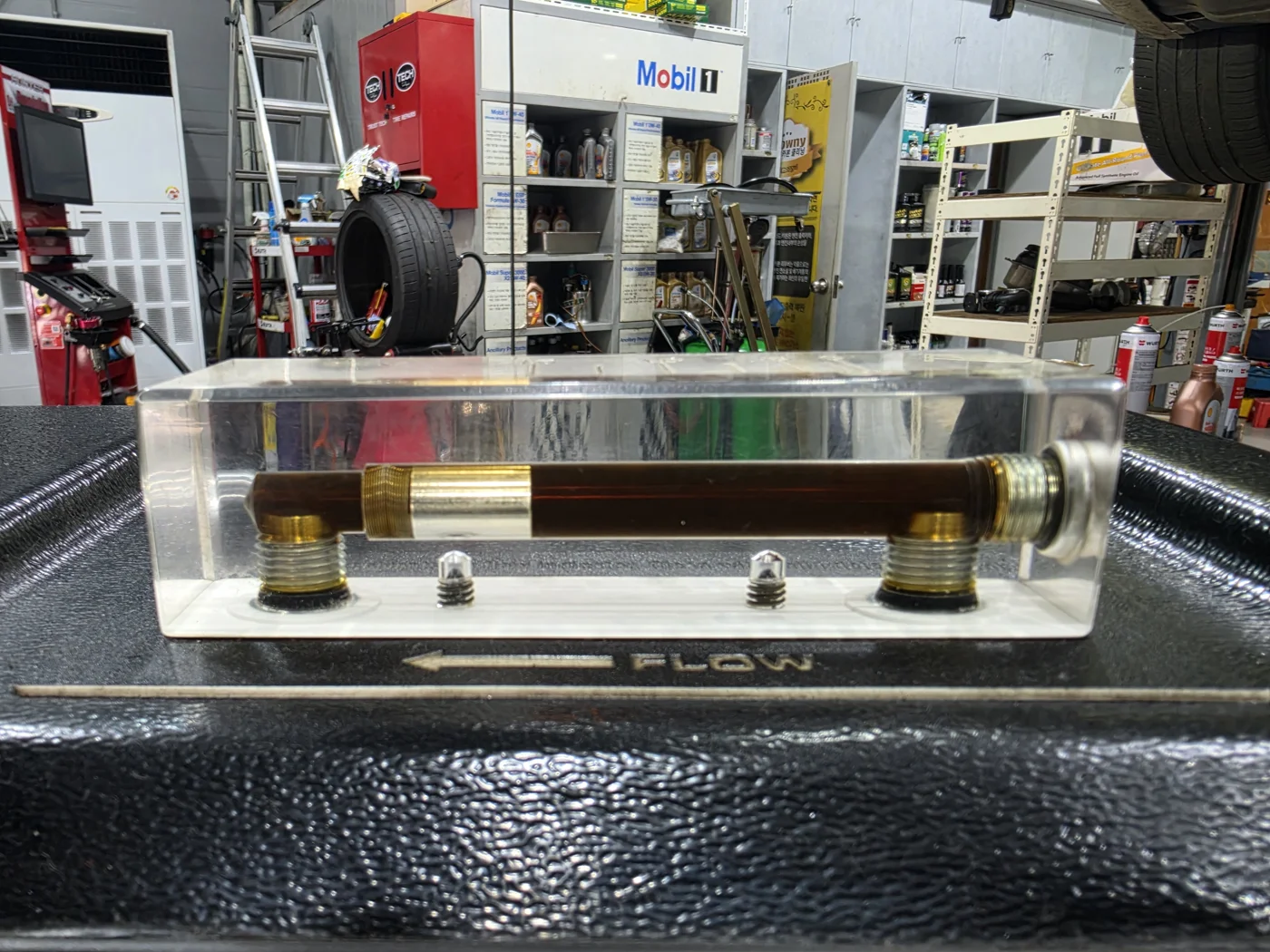
The transmission fluid was changed to FUCHS TITAN ATF 9034 using the BG PXT machine. A level-setting procedure followed to set the final fluid quantity.
The correct fluid, procedure and final level
Transmission fluid is not changed often. The fluid specification, replacement procedure and final fill level all matter. After replacement, levelling is essential: the final quantity must be set under the temperature and operating conditions specified for the transmission.
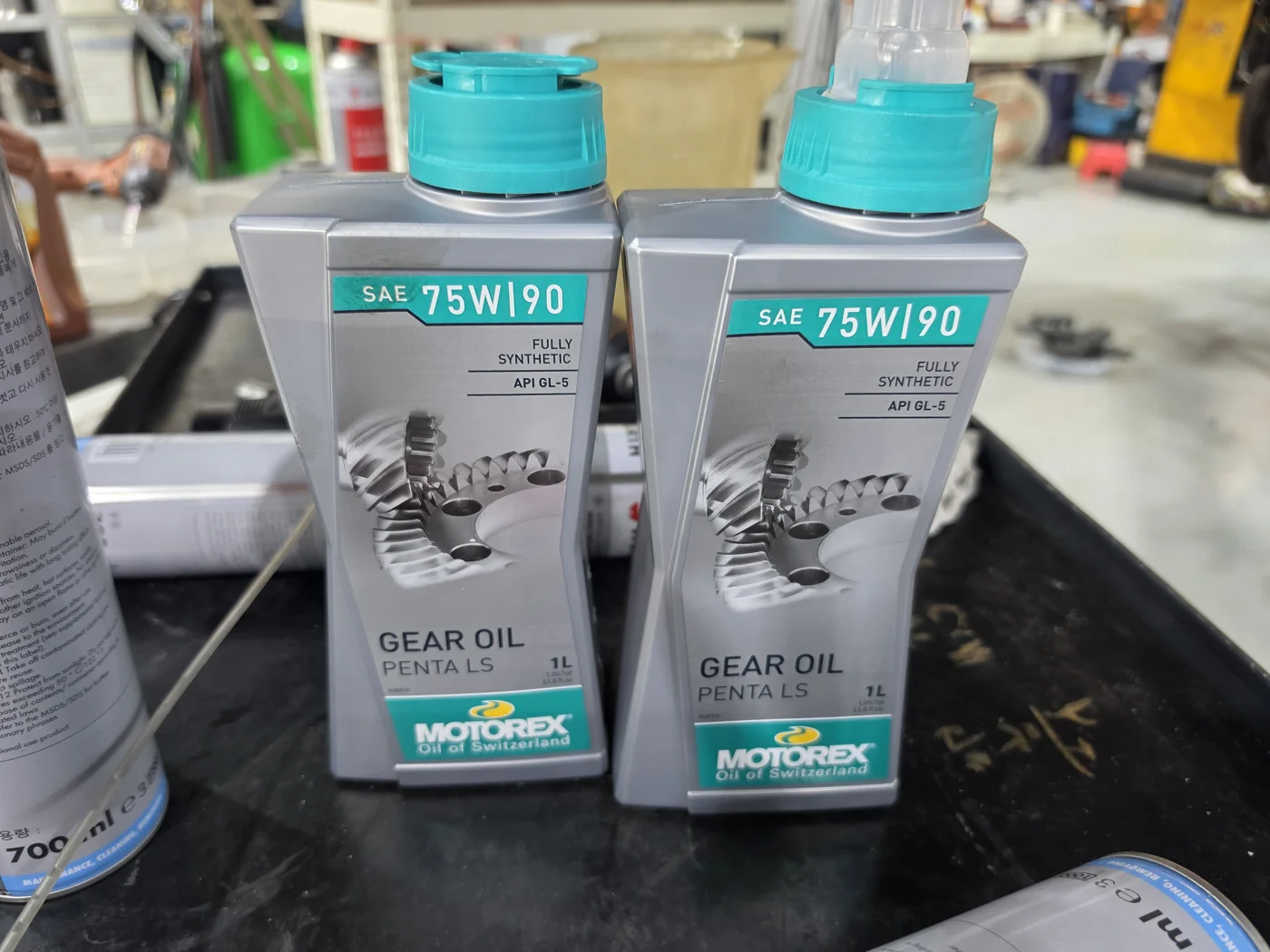
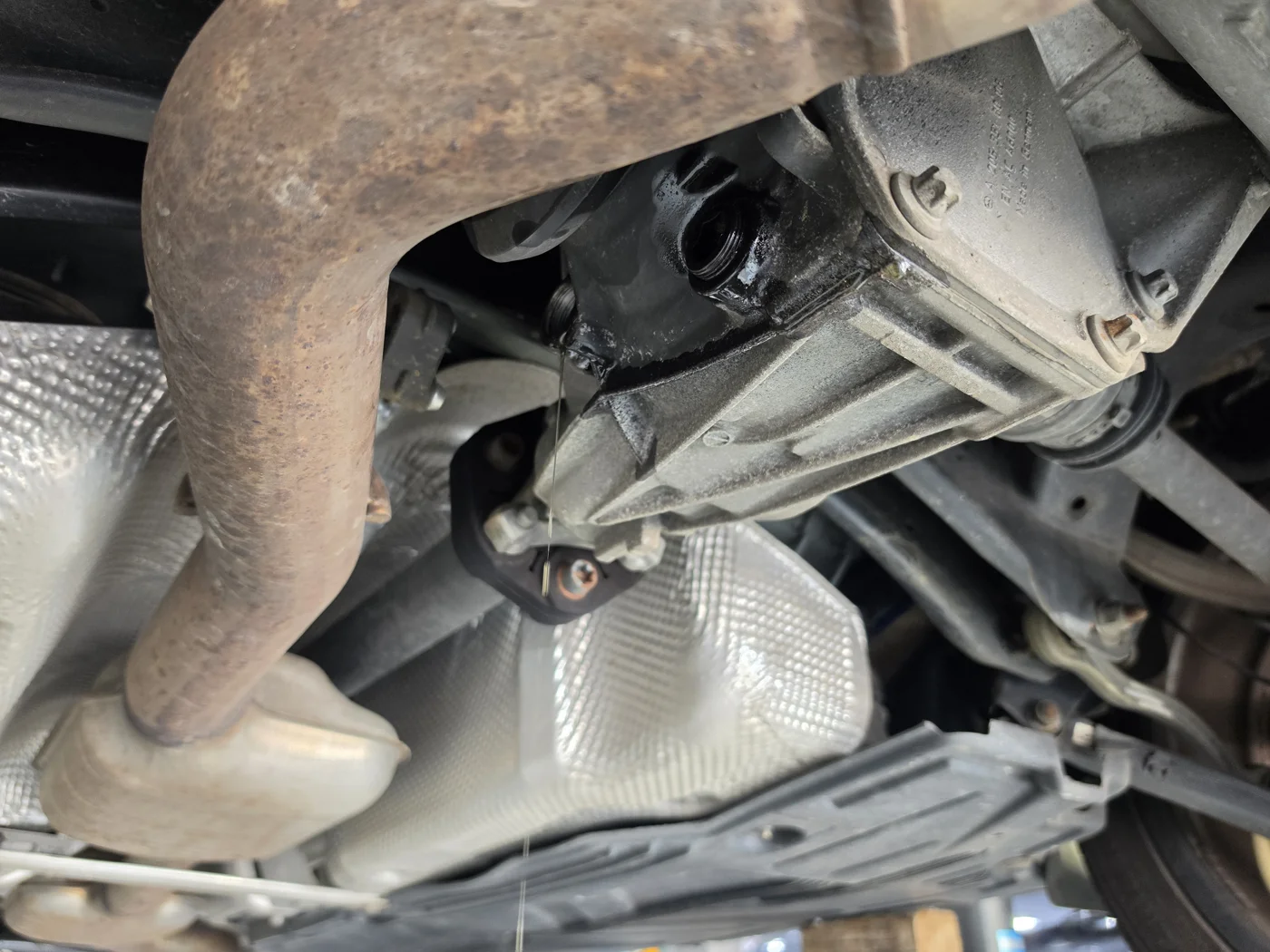
NHC’s BG equipment was also used for the differential fluid service. MOTOREX GEAR OIL PENTA LS SAE 75W90 was added. Each unit received its own fluid and service procedure.
Transmission fluid levelling
Workshop recording from this visit.
Frequently asked questions
Is inner tire wear caused by alignment?
Alignment issues are one of the most common causes of inner-edge wear, but not the only one — driving conditions and suspension component wear can also play a part. On this car, the front-left toe was out of spec and was corrected; with new tires fitted, it's worth watching whether the wear now develops evenly.
If the wheels are balanced, why measure RFV as well?
Balancing corrects the weight distribution of the tire and wheel. RFV rolls the assembly under load and measures how the force varies as it turns. Even a perfectly balanced wheel can cause vibration at certain speeds if the RFV value is high, so the two checks don't replace each other.
See related NHC workshop videos
Related NHC workshop and guide videos; vehicles may differ from this case.

Inner-edge tyre wear? Let us inspect it before fitting another set.
Send your model, mileage and tyre photos. Tell us when the tyres were fitted and whether the car pulls or vibrates. We will arrange an inspection and discuss tyre replacement and alignment based on the wear and measurements.
We explain the scope and cost before proceeding with your agreement.
Call 031-258-1617Book on Naver031-258-1617 · NHC MOTORS, Suwon · By appointment