NHC MOTORS · SERVICE RECORD
Lexus ES350: tyres, steering repairs and final alignment
New tyres also deserve a check of the components that locate and steer the wheels. This ES350 received tyre and Road Force work, followed by CV-boot and steering-gear replacement. Alignment was measured again and toe adjusted at the end.
01 / NHC MOTORS
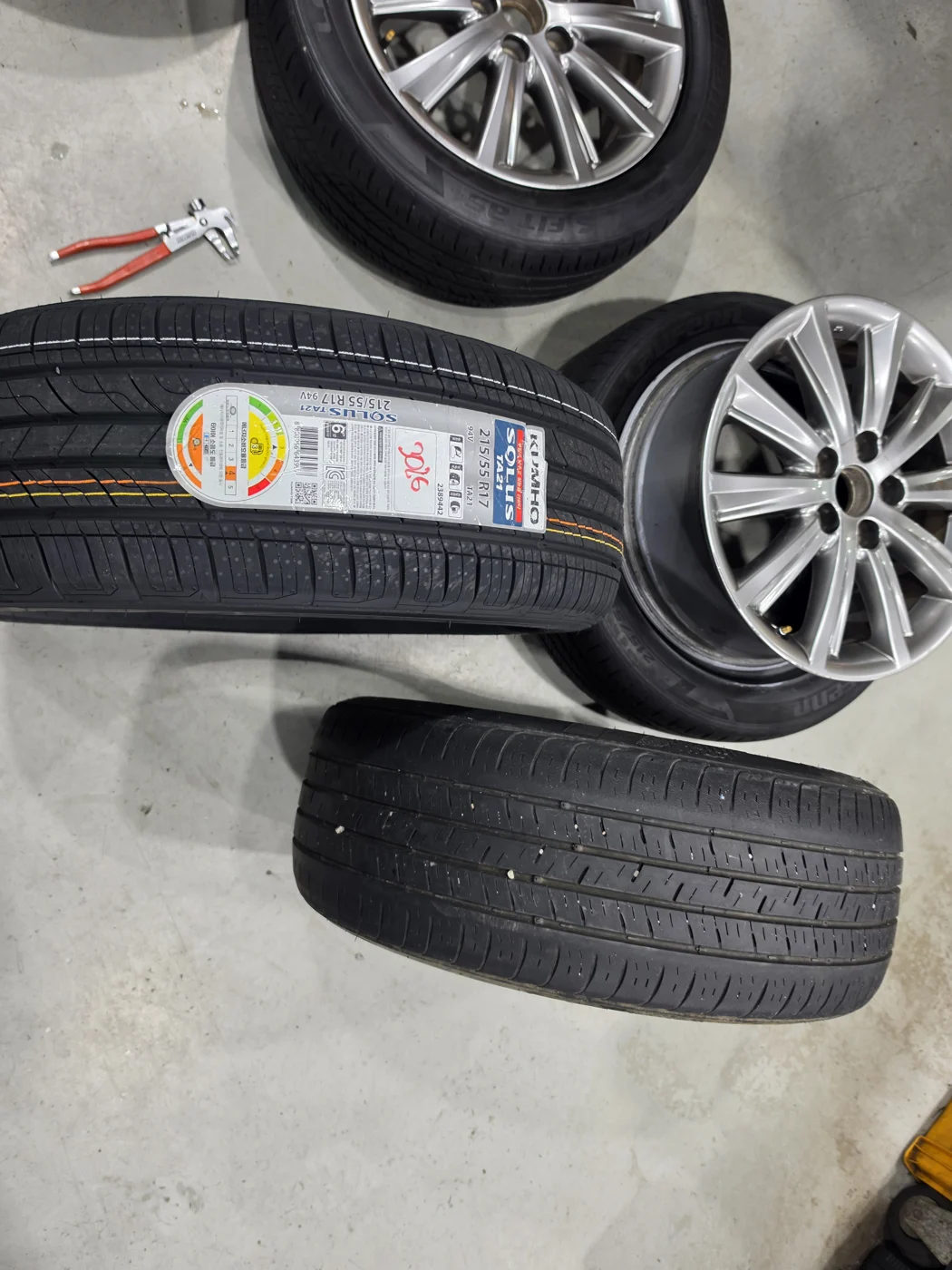
Tyre replacement and Road Force measurement
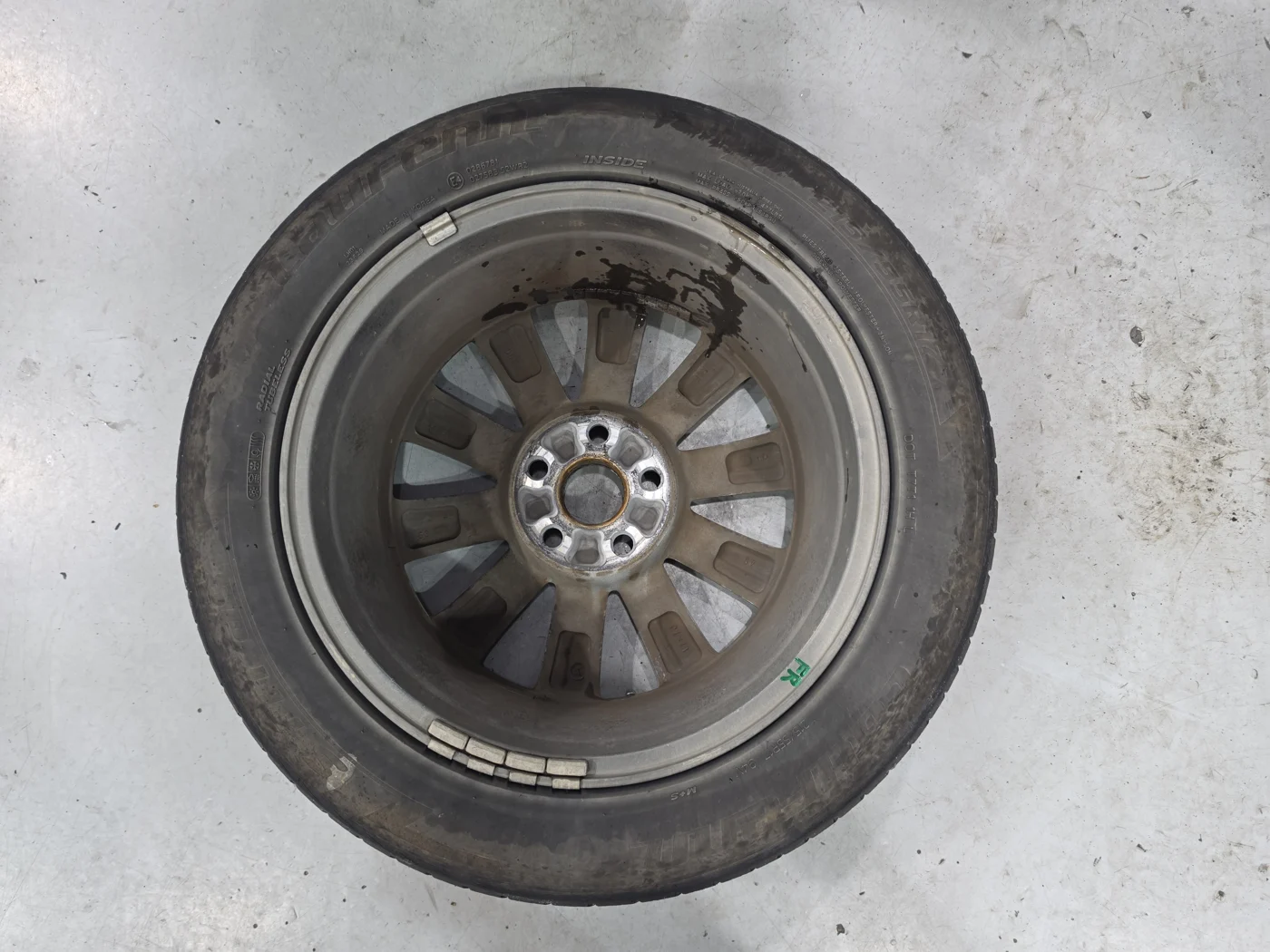
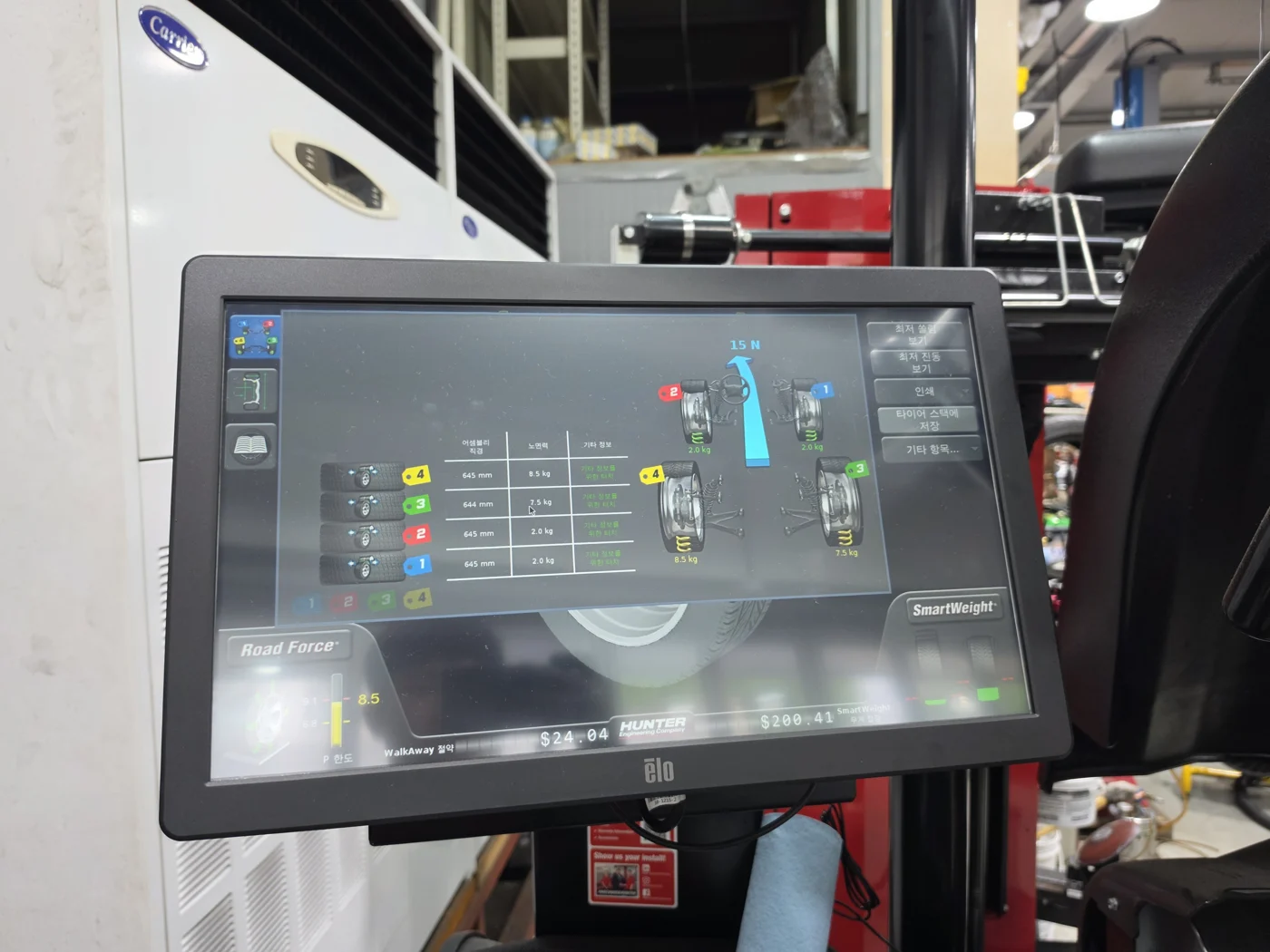
After fitting new tyres, we measured them with Hunter Road Force equipment. In addition to conventional unloaded mass balancing, the roller applies a load to measure radial force variation (RFV).
The September 2 summary showed 2.0kg for assemblies 1 and 2, 7.5kg for assembly 3 and 8.5kg for assembly 4. The unit kg is the equipment's display unit; the numbers identify measured wheel-and-tyre assemblies, not wheel positions. Road vibration must be assessed alongside tyre, wheel and suspension condition.
02 / NHC MOTORS
September 3 — CV-boot replacement
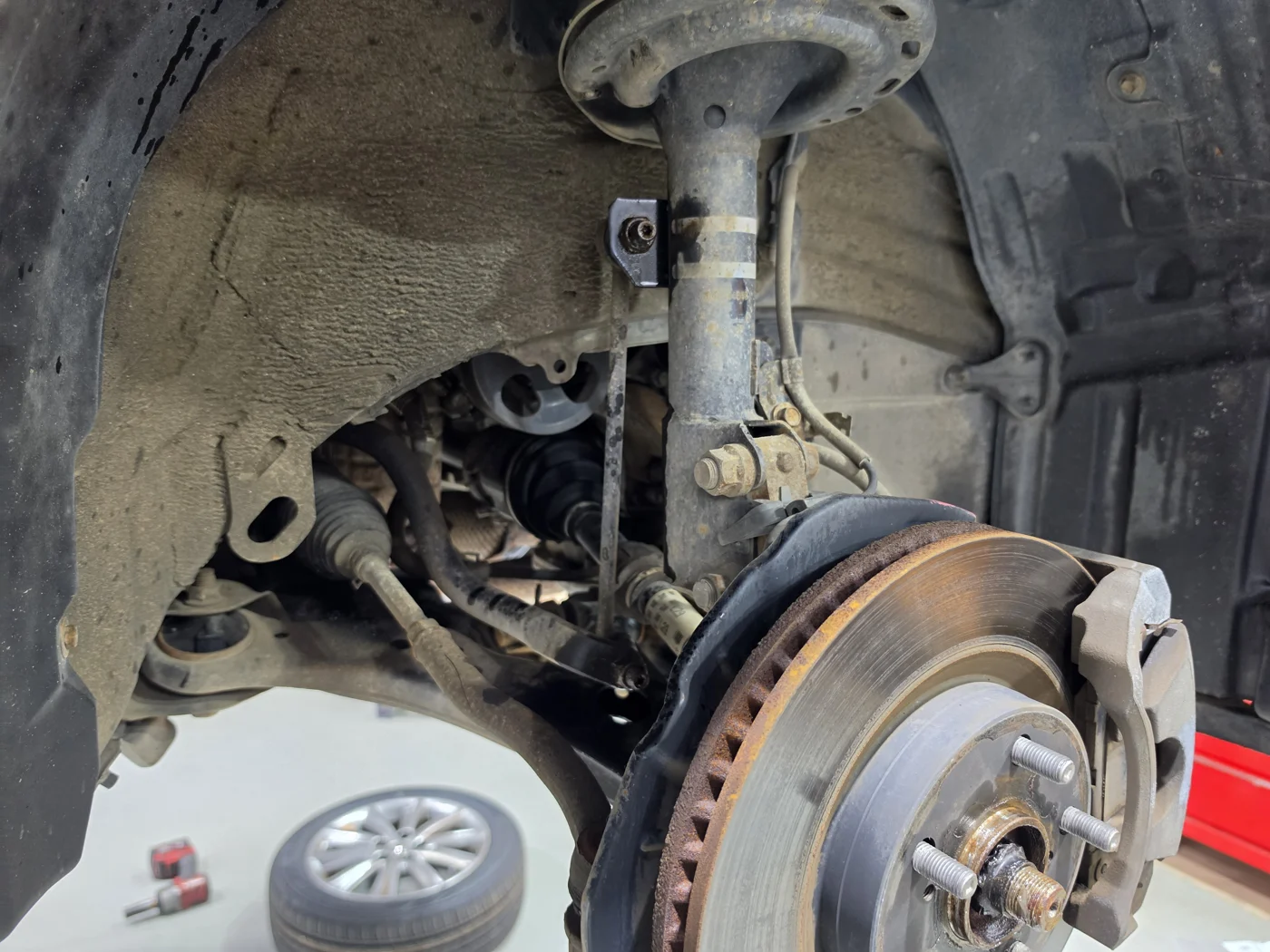
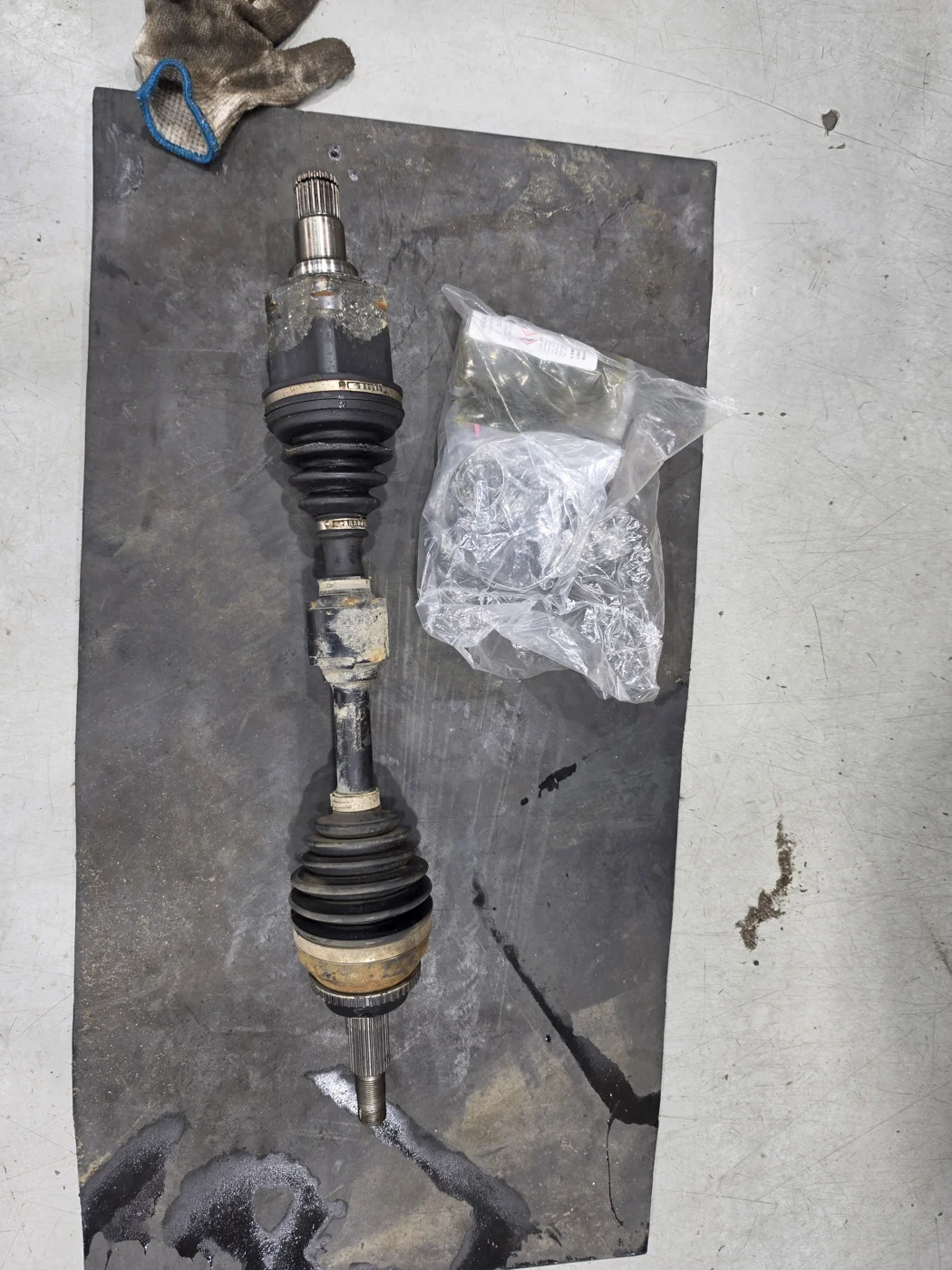
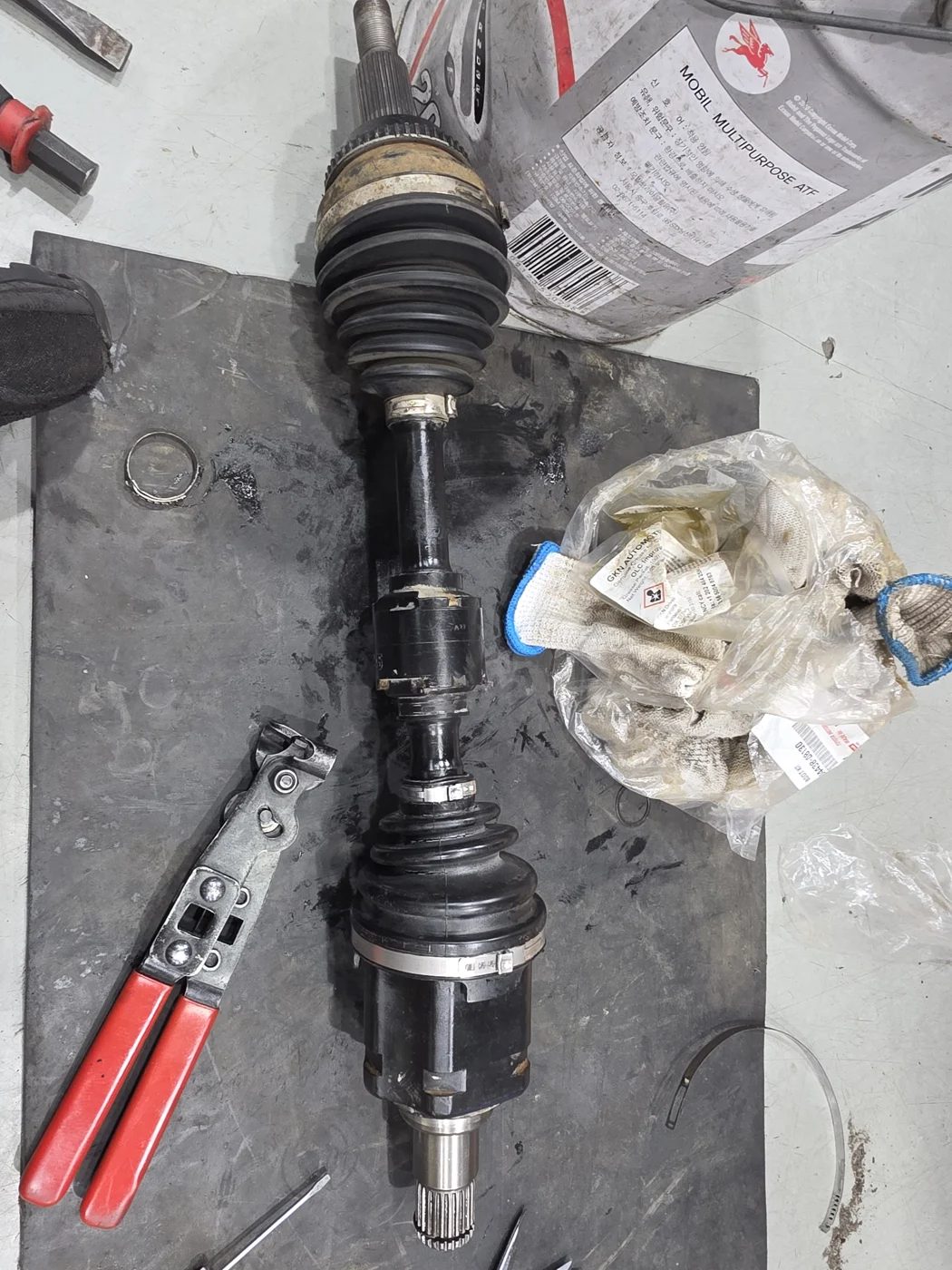
After inspecting the front suspension, we carried out CV-boot work on September 3. The driveshaft was removed, the joint dismantled and a new boot fitted before reassembly.
The boot retains grease and keeps contaminants out of the CV joint. A damaged boot can allow grease out and dirt in, accelerating joint wear. Addressing the boot early helps protect the joint itself.
03 / NHC MOTORS
September 7–8 — steering gear and power-steering fluid work
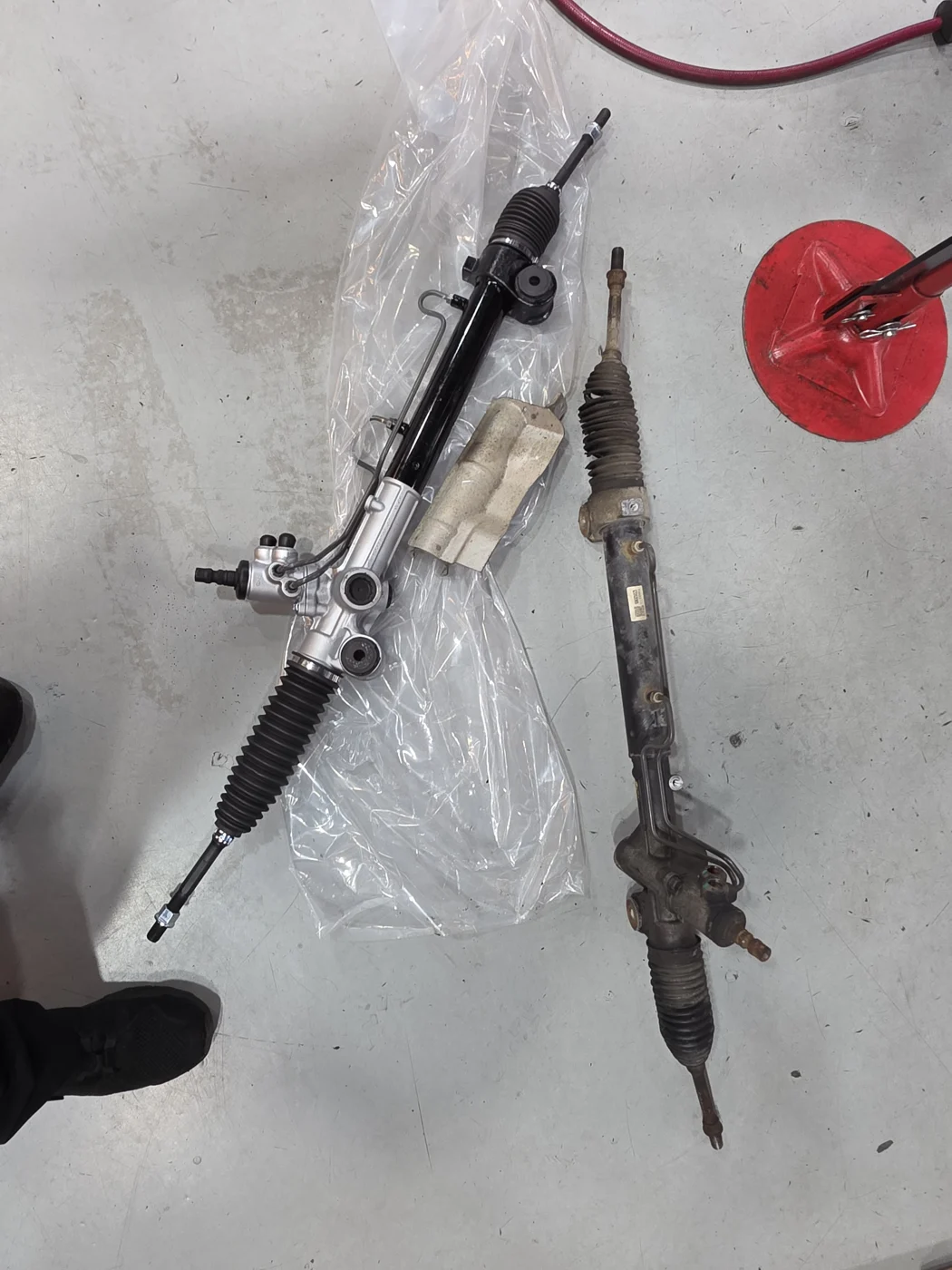
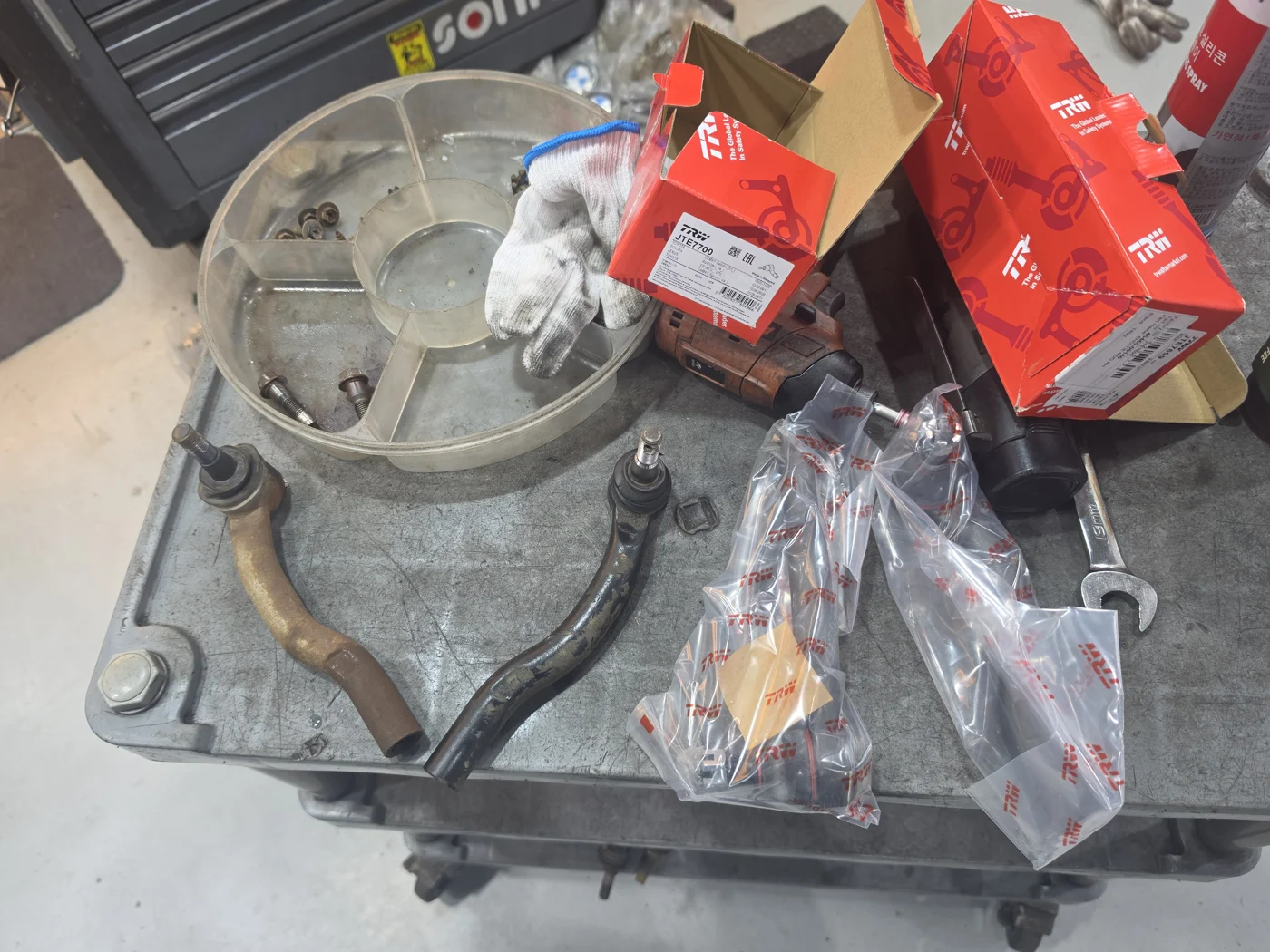
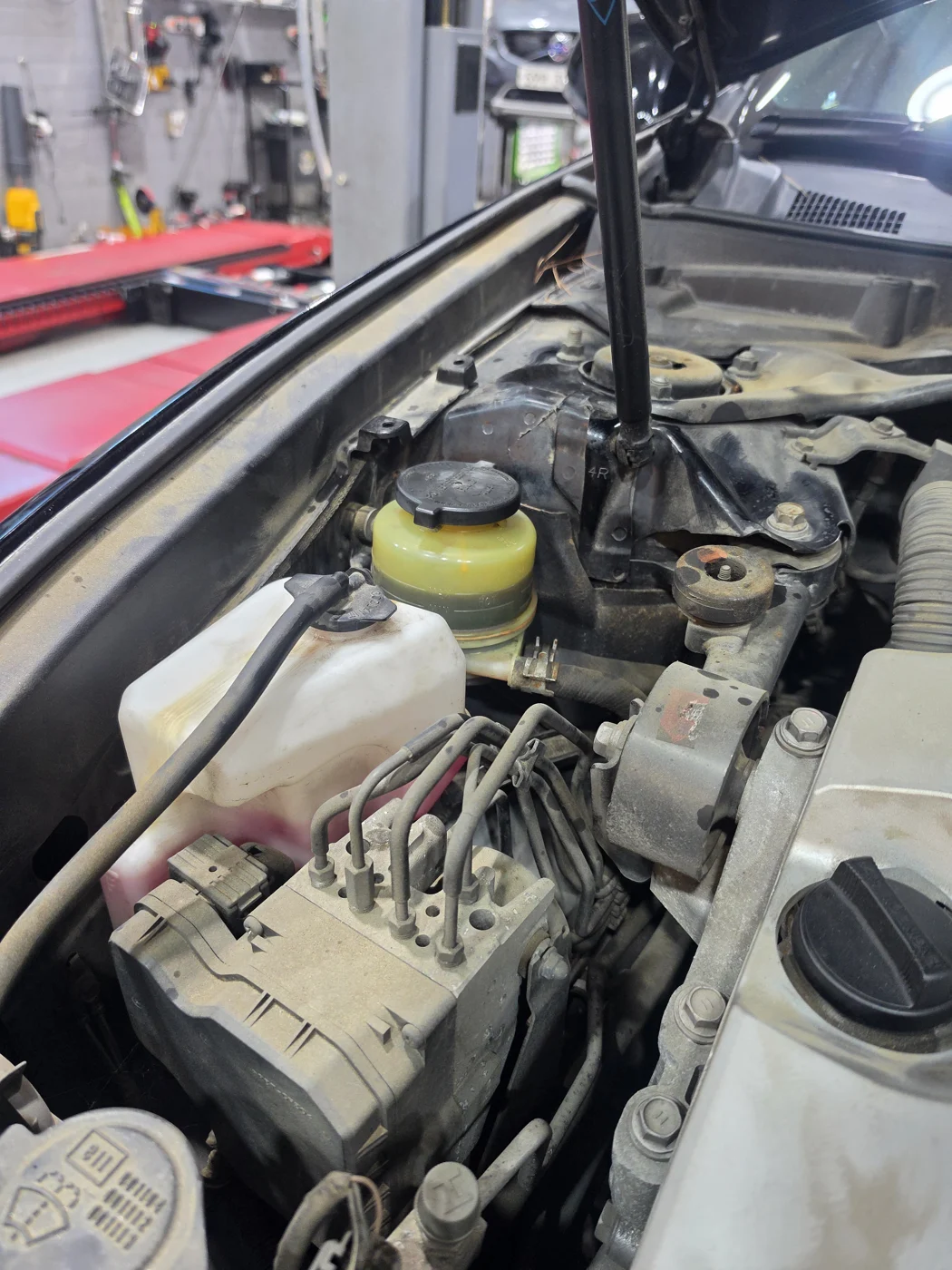
Steering-gear replacement followed. We compared the removed gear with the replacement and worked on the associated steering components.
Power-steering fluid and circuit work accompanied the replacement. A hydraulic steering system requires attention to the fluid lines as well as the component being replaced.
04 / NHC MOTORS
September 8 — final wheel alignment
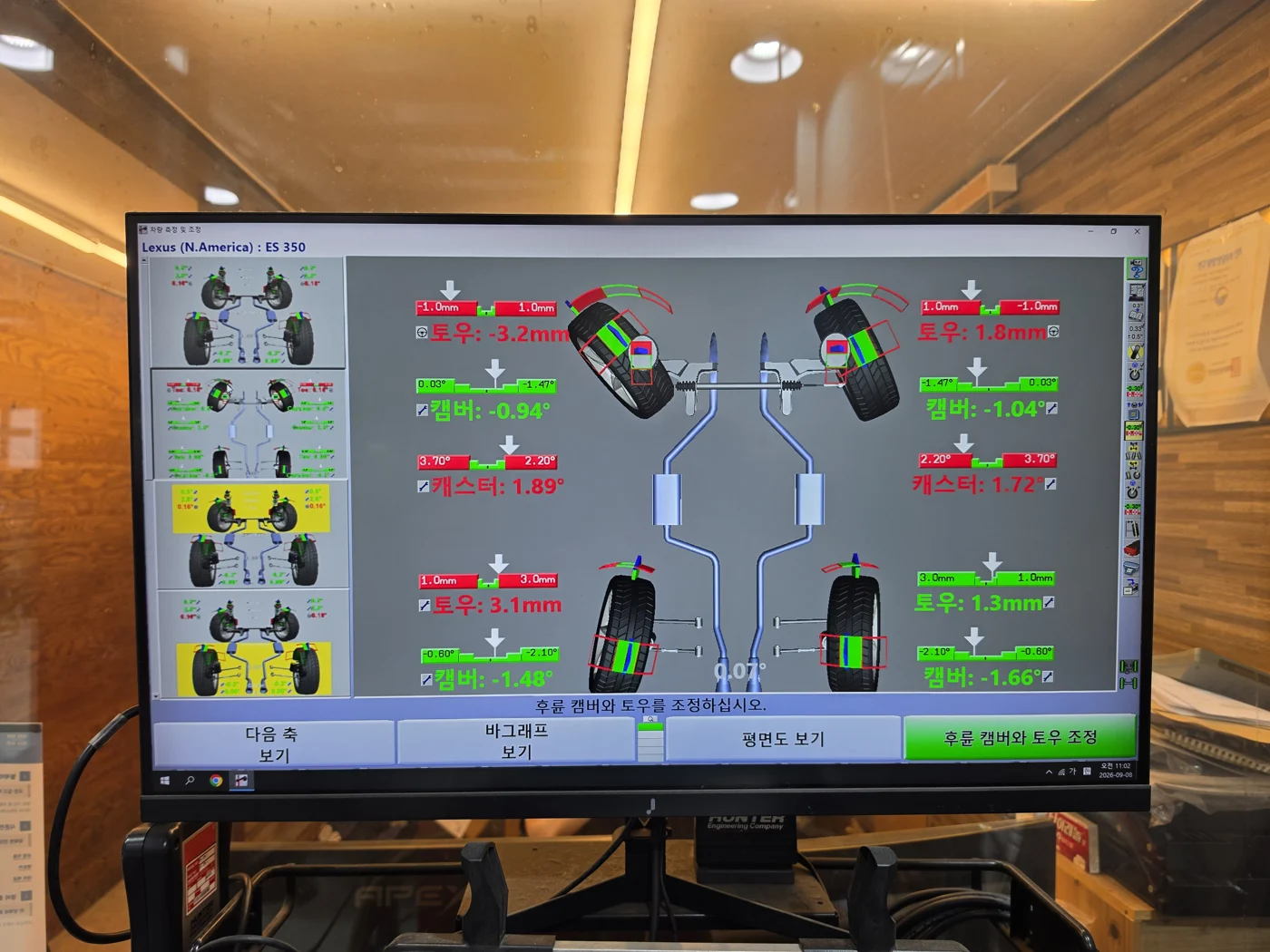
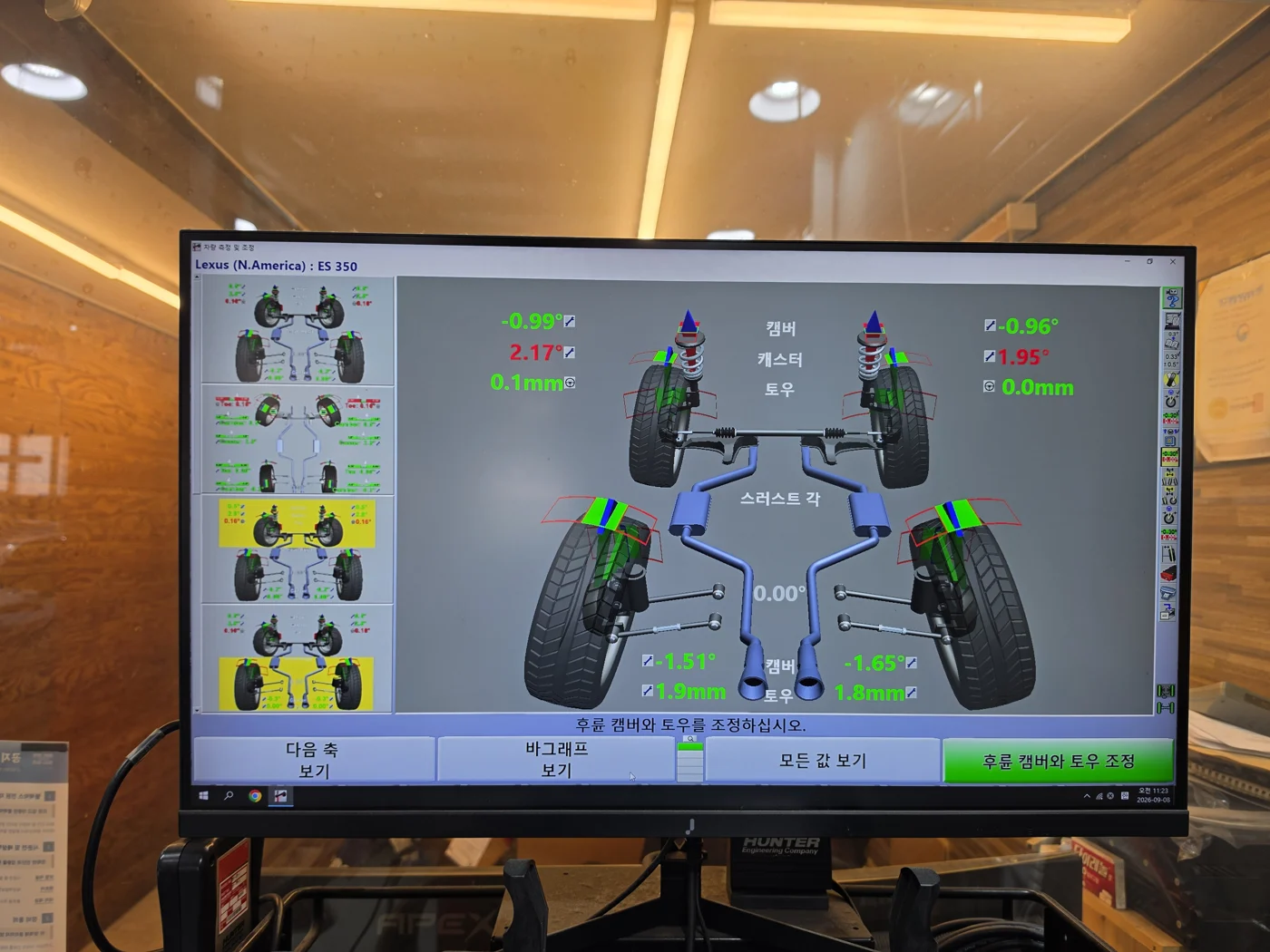
After work on the steering gear and connections, wheel direction must be set again. On September 8, front toe measured −3.2mm left and 1.8mm right; after adjustment it measured 0.1mm and 0.0mm respectively.
Rear toe was adjusted from 3.1mm left and 1.3mm right to 1.9mm and 1.8mm. The values below compare the complete measurement screens from the same day.
Before adjustment
Front left/right and rear left/right toe (mm)
After adjustment
Front left/right and rear left/right toe (mm)
Toe direction is exaggerated at the same scale for comparison; these are not actual wheel angles. Red and green indicate readings outside and inside the equipment's reference range.
| Position | Toe before → after (mm) | Camber before → after (°) |
|---|---|---|
| Front left | -3.2 → 0.1 | -0.94 → -0.99 |
| Front right | 1.8 → 0.0 | -1.04 → -0.96 |
| Rear left | 3.1 → 1.9 | -1.48 → -1.51 |
| Rear right | 1.3 → 1.8 | -1.66 → -1.65 |
Based on the full before-and-after screens from September 8. Final front caster remained outside the equipment's reference range at 2.17° left and 1.95° right. This is a separate item from the toe adjustment.
Related maintenance reading
Related workshop video
Related workshop example: Road Force testing on another vehicle.
 High-speed steering vibration and RFV testing · Watch on YouTube →
Questions before booking
How does Road Force testing differ from conventional balancing?
Conventional balancing measures mass imbalance while the wheel and tyre rotate unloaded. Road Force also measures RFV with a loaded roller. They measure different things and should be considered together.
Why does a CV boot matter?
It retains grease inside the joint and keeps contaminants out. A damaged boot can lead to joint wear, so timely boot replacement helps protect the joint.
Is alignment needed after steering-gear replacement?
Yes. The gear connects to the tie rods that set toe, and replacement changes the setting. This vehicle received before-and-after alignment measurement and adjustment on September 8 after the replacement work.
Inspecting tyres, suspension and steering in sequence
Tyres, suspension and steering interact, so inspecting one part alone may not explain a concern. Road Force testing, suspension checks and alignment measurements help identify the work actually needed.
We explain the work and cost before proceeding with your agreement.
Call about servicingBook through Naver031-258-1617 · NHC Motors, Gwonseon-gu, Suwon · By appointment