NHC MOTORS · SERVICE RECORD
Mercedes-Benz GLC63 S Intake Leak: Intercooler Removal and Boost Intake Hose Replacement
A 2019 GLC63 S came in with an intake leak on the passenger side. We removed the front components and the bank 1 intercooler to reach the bank 1 boost intake hose hidden behind them, and replaced the hose. The intercooler was then reinstalled.
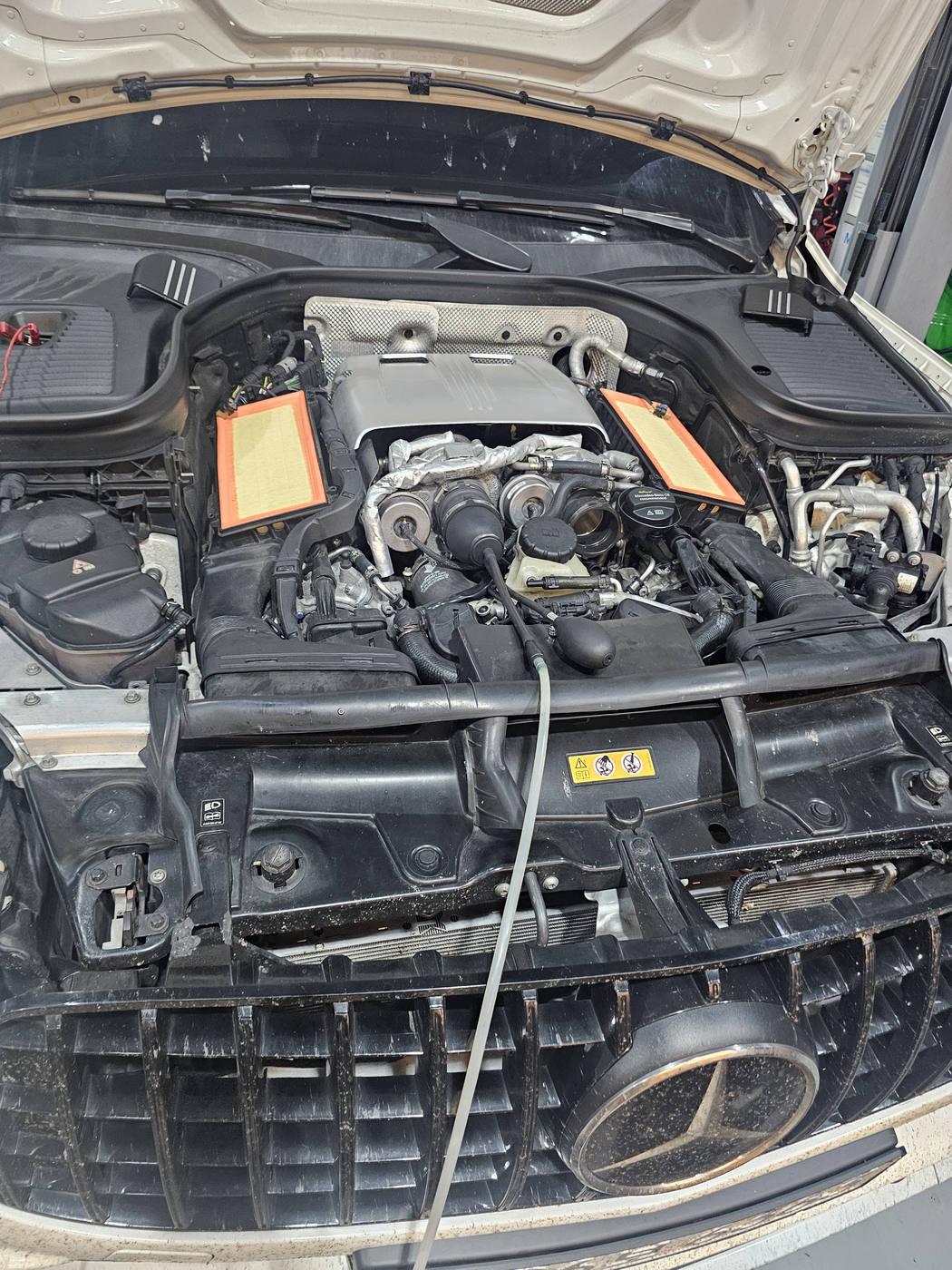
Why does replacing a single boost intake hose mean taking the intercooler off? Because the hose sits deep in the engine bay, behind several layers of components.
This 2019 Mercedes-Benz GLC63 S came in with an intake leak on the passenger side. We removed the front cover, the parts around the grille and the connecting pipework, took off the bank 1 intercooler, and replaced the bank 1 boost intake hose with a new part. After reinstalling the intercooler, we checked live operating values with a diagnostic scanner.
01 / NHC MOTORS
The hose can only be reached with the intercooler removed
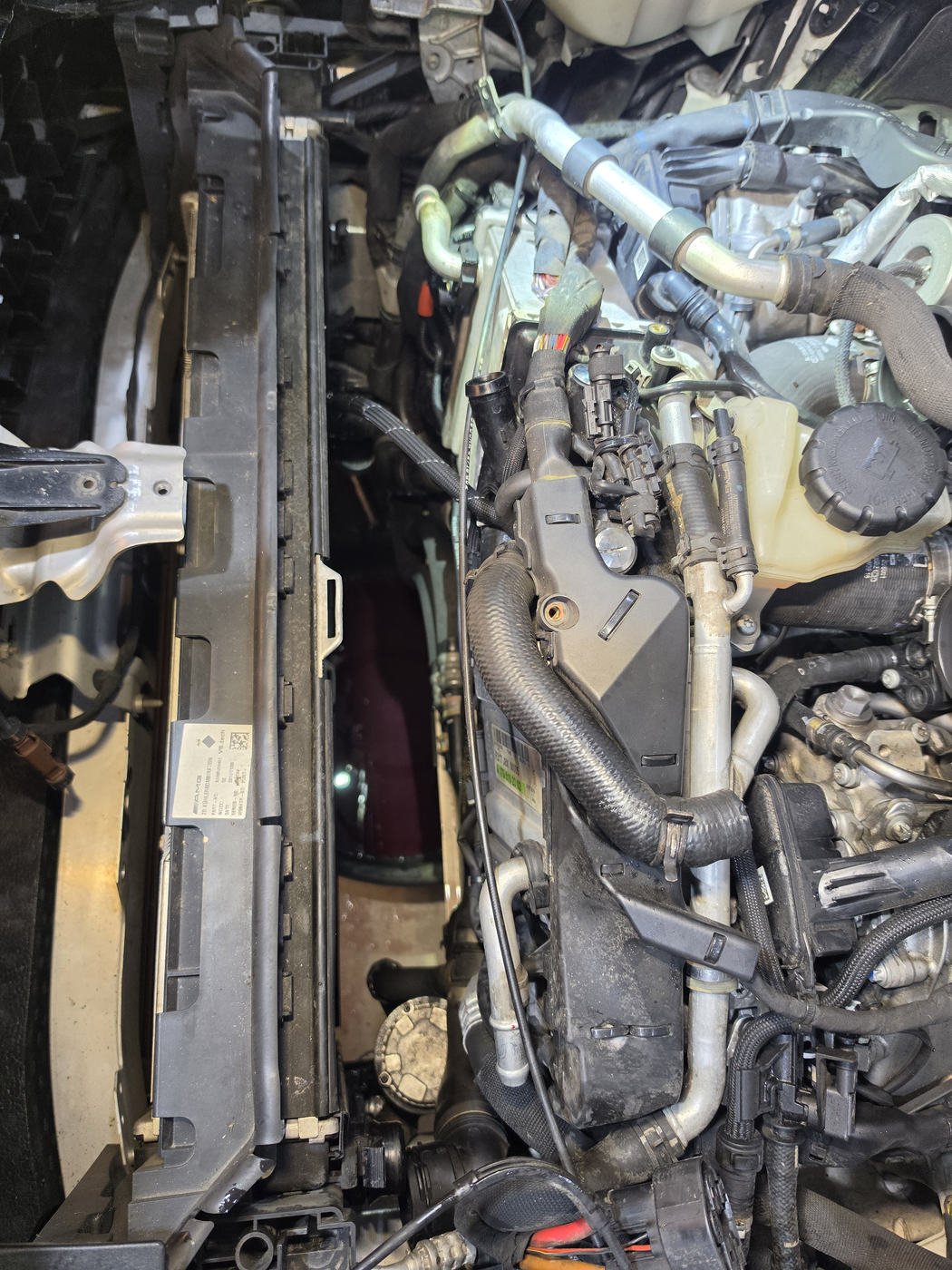
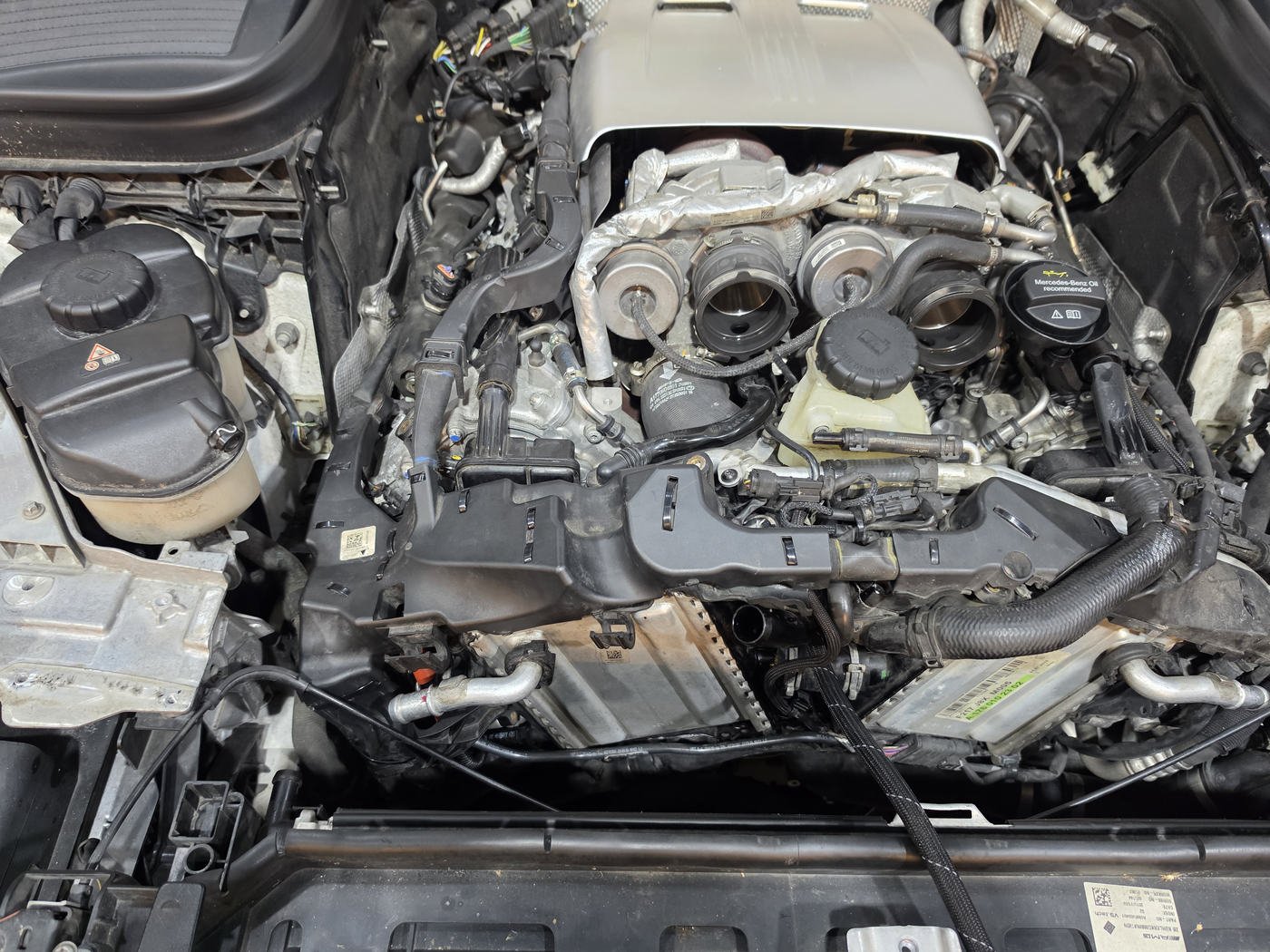
The boost intake hose sits behind the front cover, the parts around the grille, the connecting pipework and the intercooler, one after another. With all of them in place, you cannot see inside the joints or the surfaces where the seals sit, and there is no room for hands or tools.
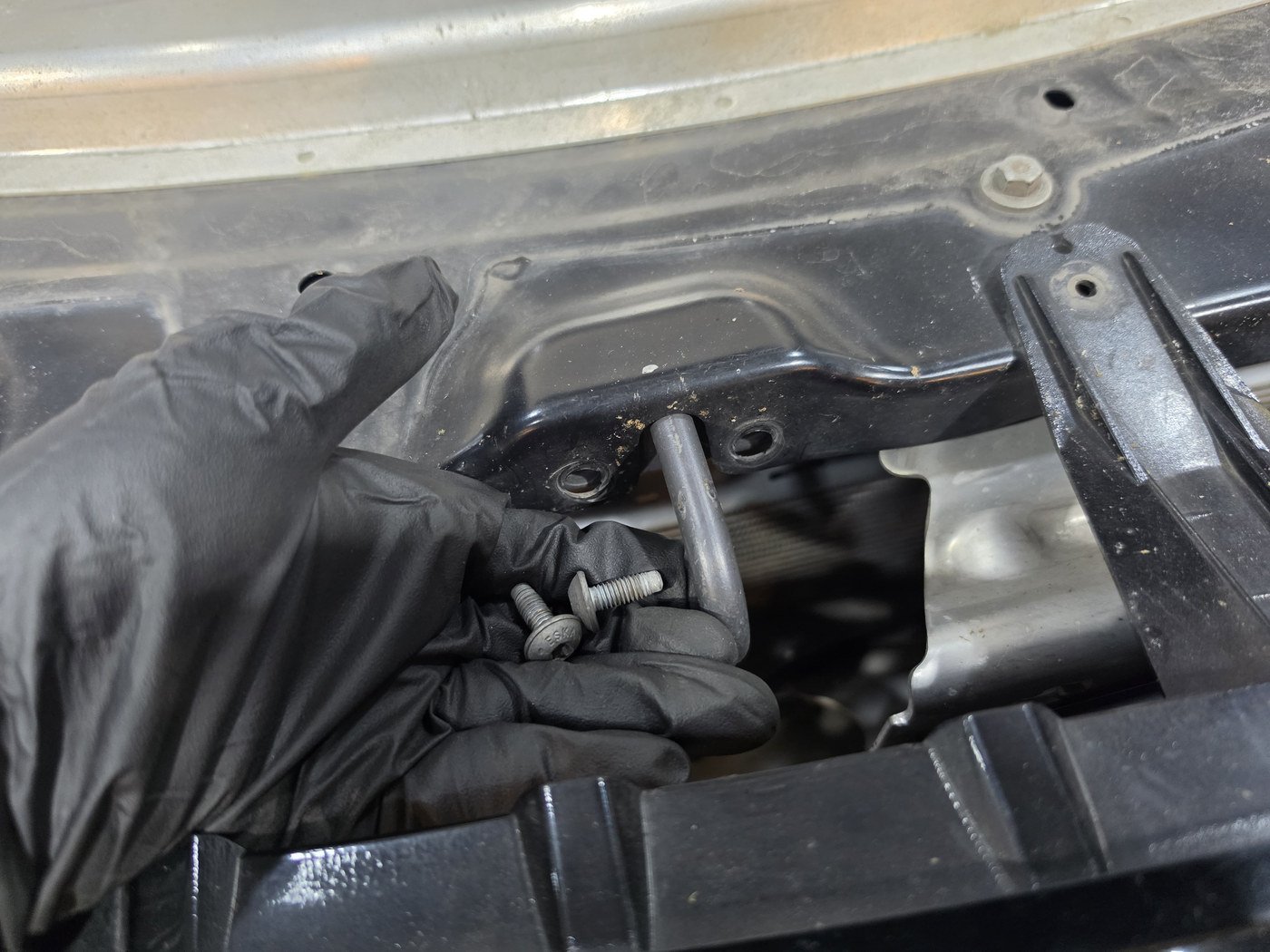
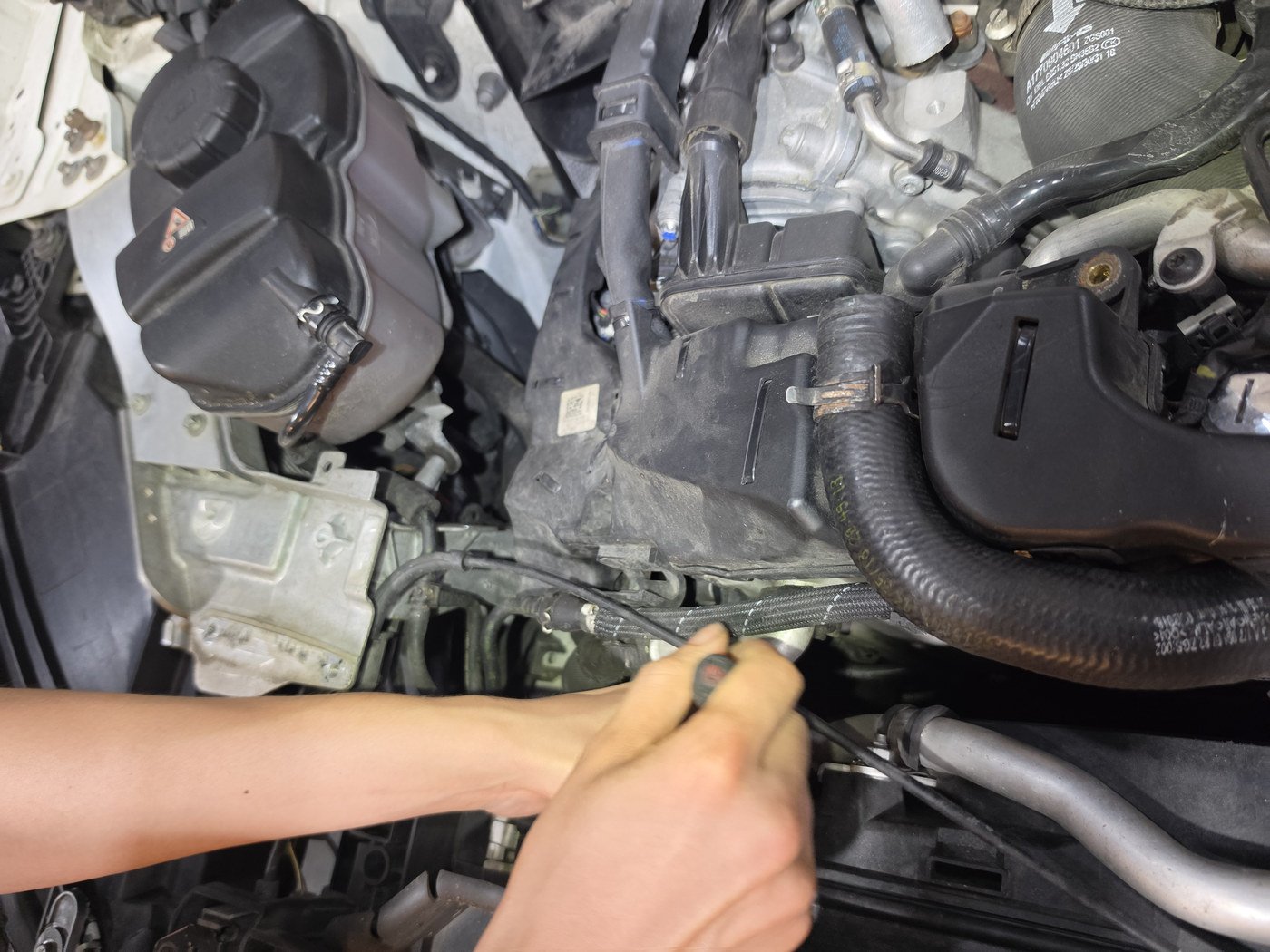
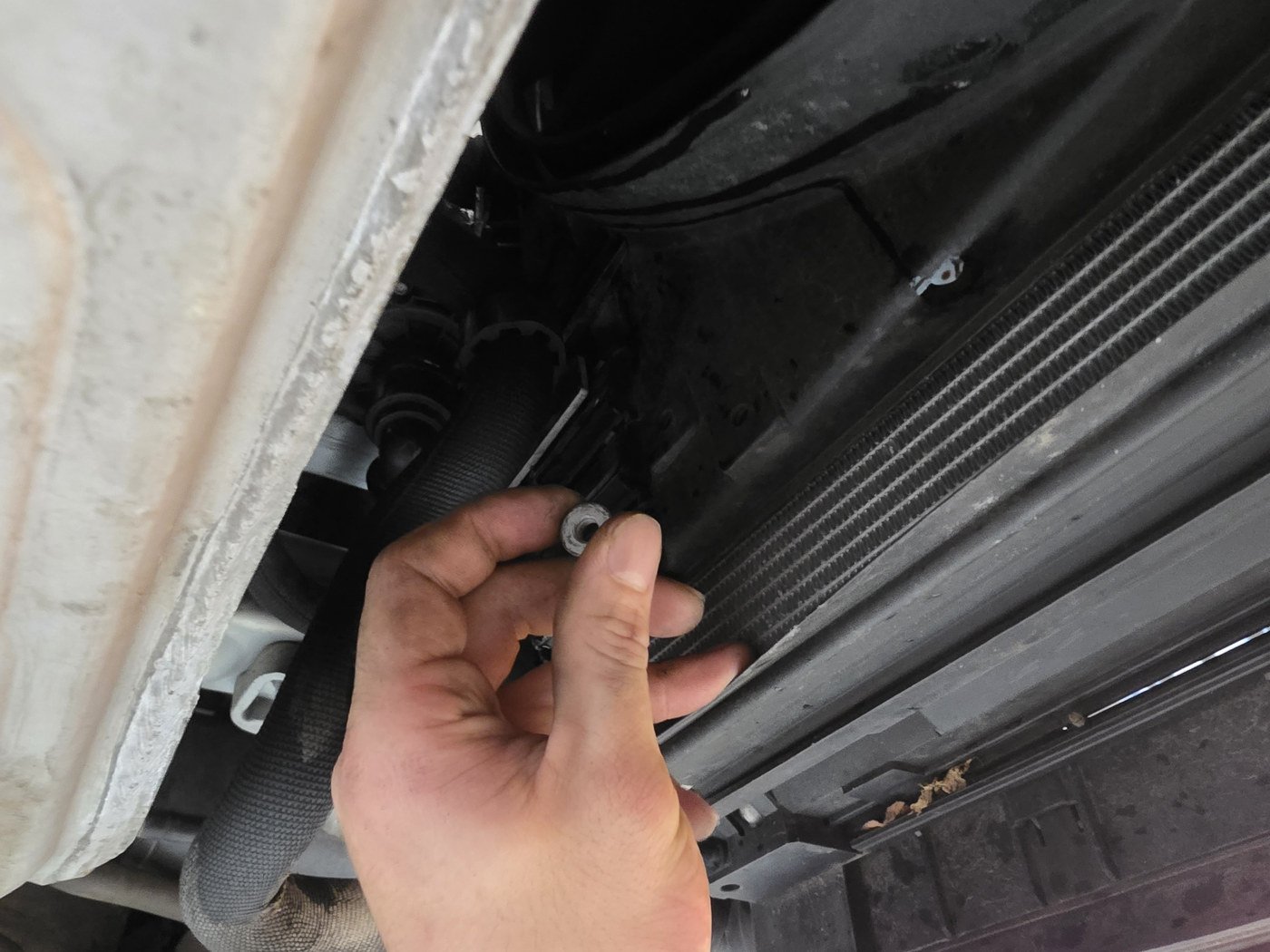
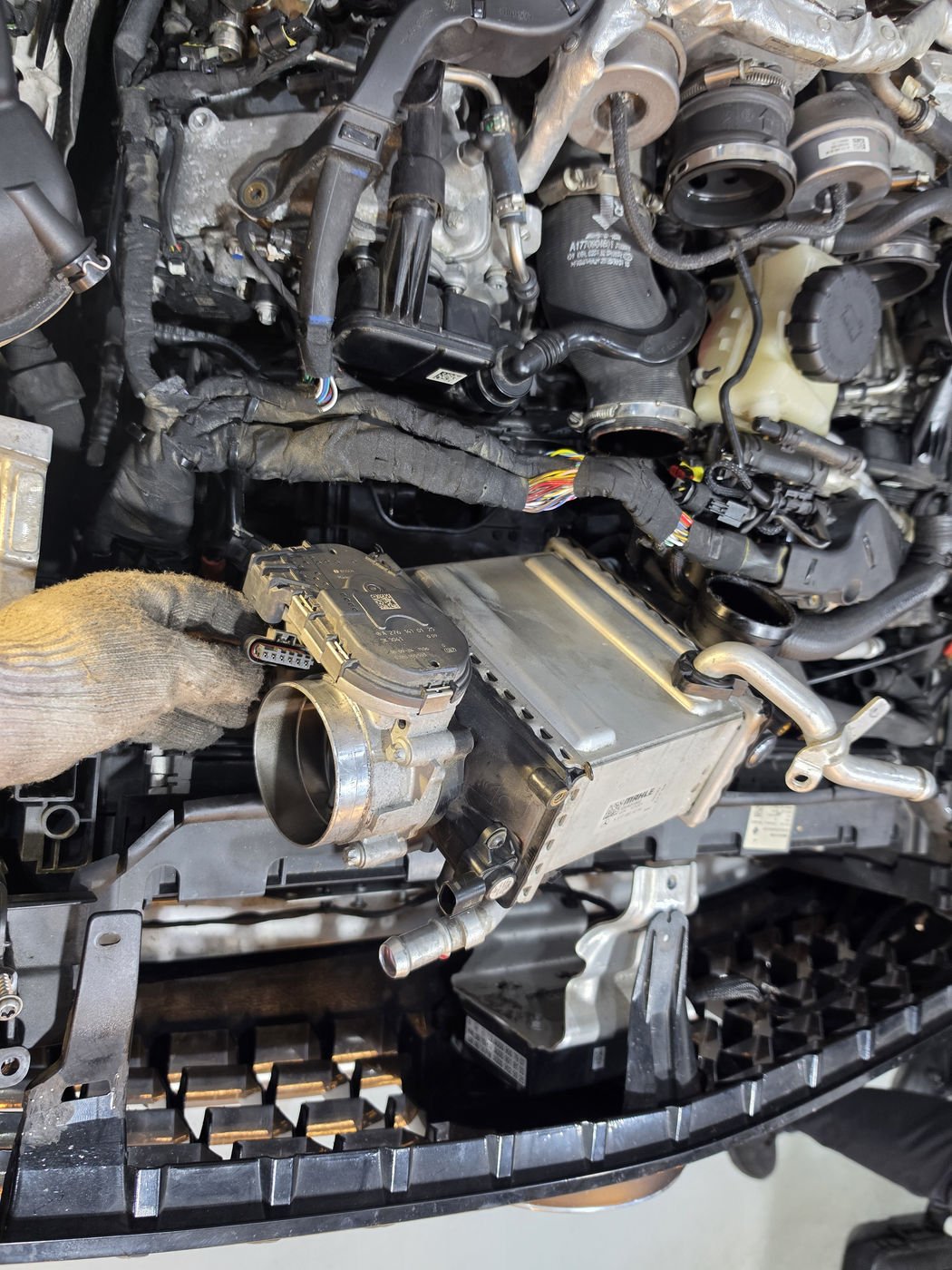
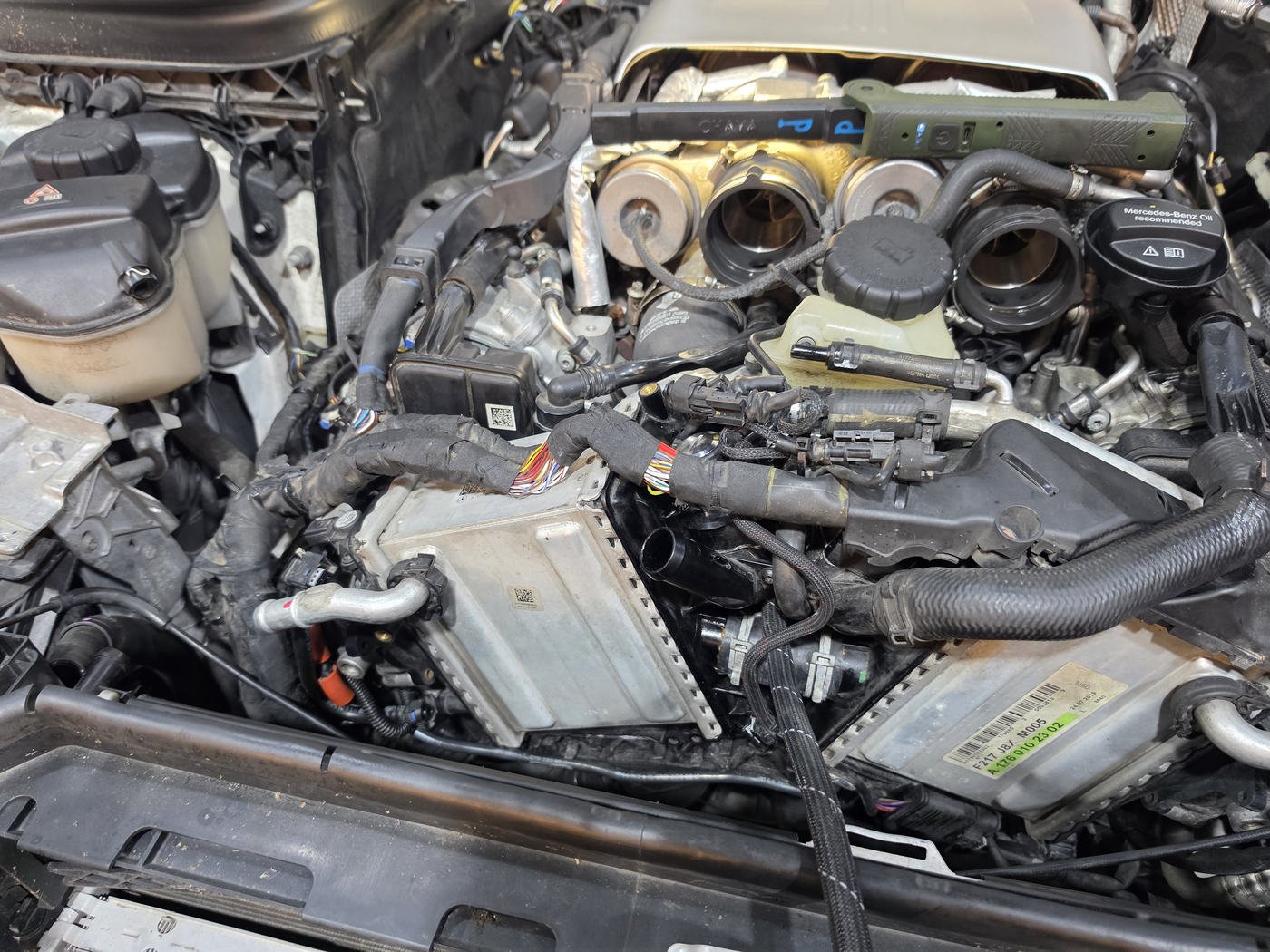
So we removed the front cover, the parts around the grille and the connecting pipework, and then the bank 1 intercooler. The intercooler cools the air heated by the turbo's compression before it goes into the engine. Only one hose needed replacing, but everything in front of it had to come off, which widened the teardown. The intercooler went back on after the hose was replaced.
02 / NHC MOTORS
We inspected the joint contact surfaces and replaced the bank 1 boost intake hose
The boost intake hose carries air compressed by the turbo toward the engine. This section runs under pressure, so if a joint loses its seal, compressed air escapes through the gap. Bank 1 refers to one of the two rows of cylinders in the V8 engine.
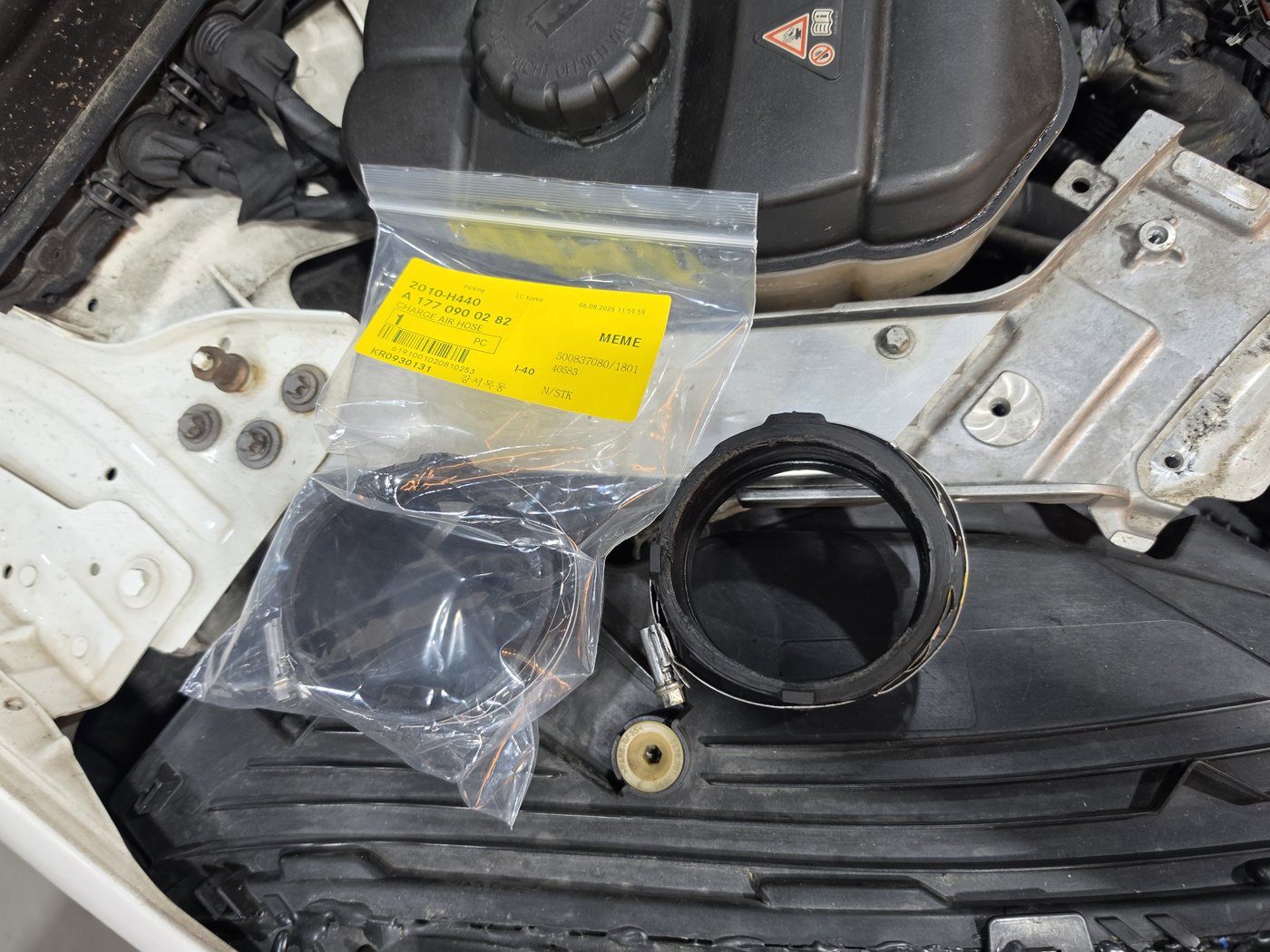
After inspecting the inside of the removed intake passage, the round joints and the surfaces where the seals make contact, we replaced the bank 1 boost intake hose with a new part. When fitting a new hose, the seals must sit properly and the contact surfaces must be free of debris. If either is off, the same area may have to be opened again even with a new part.
03 / NHC MOTORS
After reassembly we checked operating values on the scanner, and also looked after coolant and A/C refrigerant
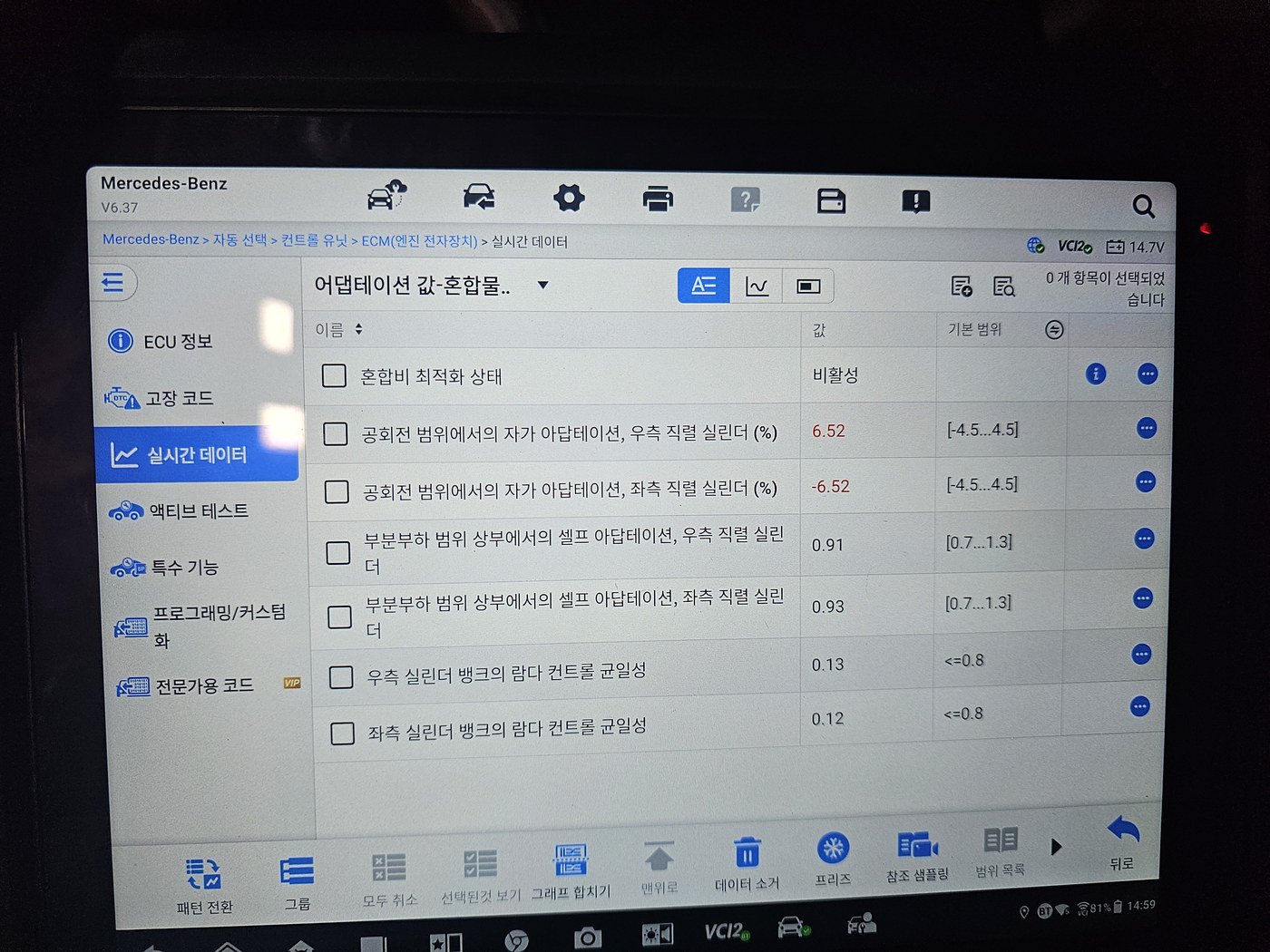
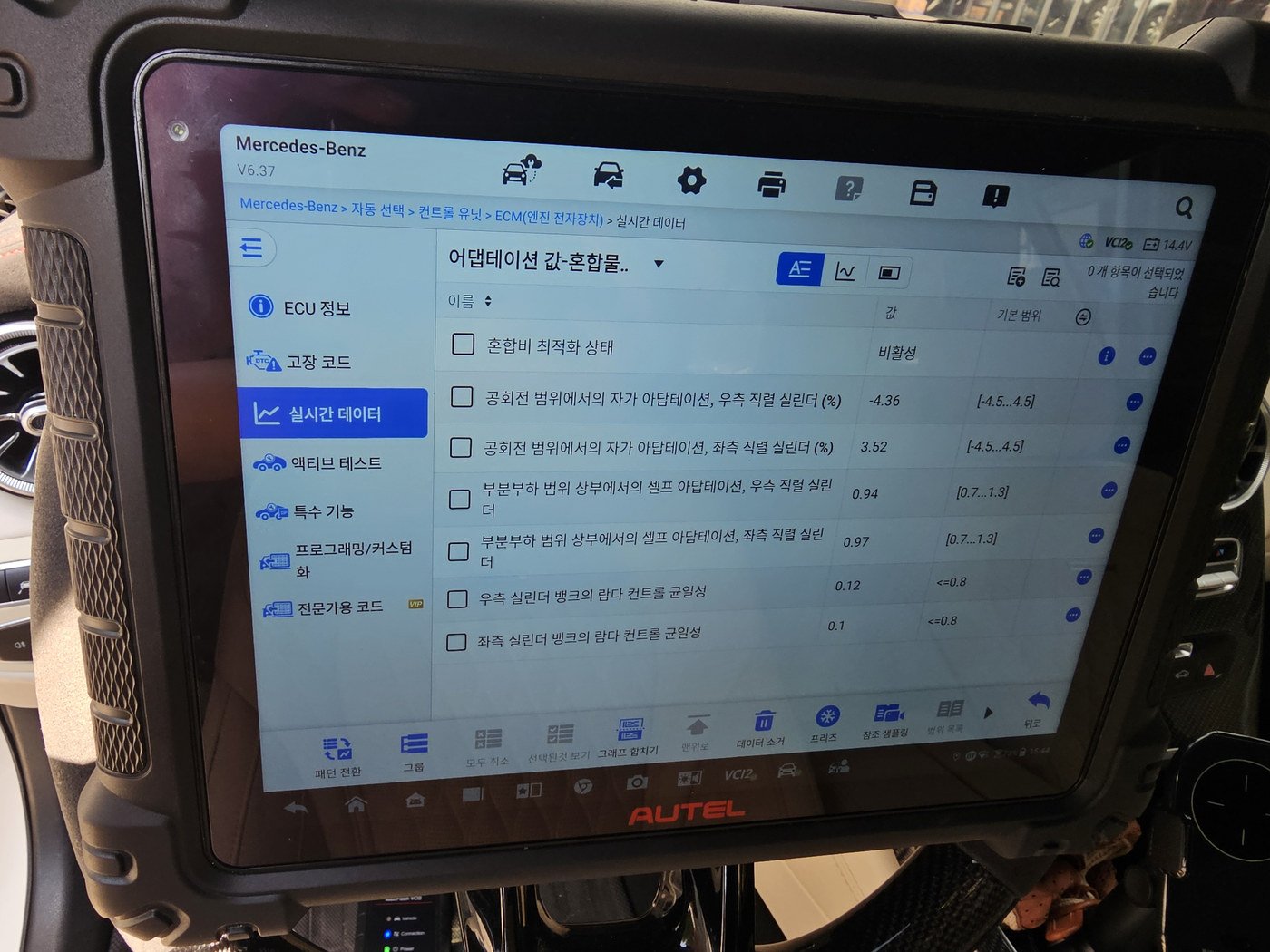
After reassembling the intercooler and front components, we checked live operating values with a diagnostic scanner. The pipework and joints are checked by eye, and how the engine is actually running is checked through the figures the vehicle reports.
An intake leak can show up when boost pressure rises, such as under acceleration. If the same symptom returns in the situation where you noticed the leak, we will check the joints and diagnostic values again.
During the same visit, we topped up the coolant with BASF Glysantin G40 meeting MB 325.6 and recharged the A/C with the new-type refrigerant. These two jobs are maintenance items separate from the intake hose replacement.
Getting to the boost intake hose, step by step
Front cover and grille surround removed
Pipework running in front of the hose removed
Removed, then reinstalled after the work
Bank 1 side replaced with a new part
Frequently asked questions
Why remove the intercooler just to replace one hose?
Because the front components and the intercooler block the way to the hose. On this GLC63 S, we removed the bank 1 intercooler, replaced the boost intake hose and then reinstalled the intercooler.
Were the coolant top-up and A/C refrigerant recharge also because of the intake leak?
No. They were separate maintenance items done during the same visit. The work related to the intake leak was the bank 1 boost intake hose replacement and the intercooler removal and reinstallation needed to reach it.
What should I watch for after the repair?
Watch whether the same symptom returns in the situation where you noticed the leak. If it does, we will check the joints and diagnostic values again.
If a boost pipework leak is suspected, we open up the hidden joints to check them
If the car doesn't pull the way it used to under acceleration, or you hear air escaping in the engine bay, we first read operating values with a diagnostic scanner and, if needed, remove surrounding parts to inspect the hoses, seals and contact surfaces directly. Before starting, we will explain which parts need replacing and which only come off temporarily for access. Let us know when the symptom appears and whether any warning lights come on, then book a consultation or appointment.
We explain the work and estimate before proceeding with your consent.
Call for service adviceBook via Naver031-258-1617 · NHC Motors, Suwon · By appointment
Published 2026-09-27